

For travellers navigating Rajasthan’s vast landscape, the challenge is not a lack of attractions but choosing the right ones. The state rewards structured planning far more than checklist tourism.
Instead of trying to cover every fort, palace, or lake, the strongest experiences come from grouping attractions into well-paced clusters. A typical day works best when anchored by one major site in the morning, supported by a complementary, lower-intensity experience later in the day.
The most effective 7–14 day itineraries follow a disciplined structure: one major architectural anchor per day, supported by a complementary secondary experience. Anything beyond that begins to dilute the sense of scale and significance that Rajasthan is known for.
This consolidated attractions layer—absorbing 14 merged sources—translates Rajasthan’s attractions into clear, practical planning groups. It integrates forts (Amber, Mehrangarh, Kumbhalgarh), wildlife zones (Ranthambore, Sariska), lakeside experiences (Udaipur, Pushkar), and offbeat highlights (Bundi, Shekhawati, Khuri dunes). Each section now includes clear time expectations, ideal visitor profiles, seasonal advantages, pairing strategies, and elimination triggers, ensuring travellers can make confident, efficient choices across Jaipur, Jodhpur, Udaipur, and Jaisalmer circuits.
This guide helps you prioritise Rajasthan’s key attractions based on real travel payoff—what each experience offers, how much time it needs, and how to combine it effectively within your itinerary.
Quick Planning Snapshot: Duration, Pacing & Foundational Logistics
- Recommended trip length: 10–14 days offers the best balance across Jaipur, Udaipur, Jodhpur, Jaisalmer, and Ranthambore without rushing.
- Short Trip 7-days: Focus on Jaipur → Pushkar → Udaipur → Ranthambore.
- Daily Pacing Rule: One major morning attraction + one lighter afternoon experience. Evenings should remain flexible.
- Guide Value: High for forts and safaris; optional for lakes and visual settings.
Architectural Titans: Fort Clusters Demanding Dedicated Mornings
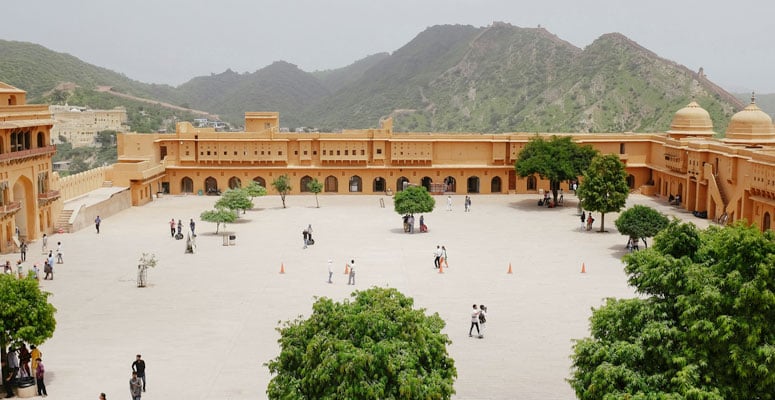
Rajasthan’s fort landscape is extensive, but only a select group delivers high-value travel experiences. Each requires a dedicated morning slot to avoid fatigue and crowd pressure.
1. Amber Fort Jaipur: Elephant Ramparts & Mirror Labyrinths (2-3 Hour Morning Anchor)
Strategic significance: Amber Fort combines defensive design with intricate palace interiors, making it one of Rajasthan’s most immersive fort experiences.
Optimal traveller profile: Visitors who value layered architectural exploration and are willing to spend time understanding palace layouts.
Time allocation reality: 2.5–3 hours, including ascent (elephant or jeep), palace exploration, and optional extension to Jaigarh Fort.
Precision timing: Entry at 8:00 AM ensures cooler conditions and minimal crowding. By 11:00 AM, visitor density increases significantly.
Pairing sequence: Amber morning → Jaigarh viewpoints → City Palace or Jantar Mantar afternoon.
Elimination triggers: Skip if multiple forts have already been visited or if physical strain from stairs is a concern.
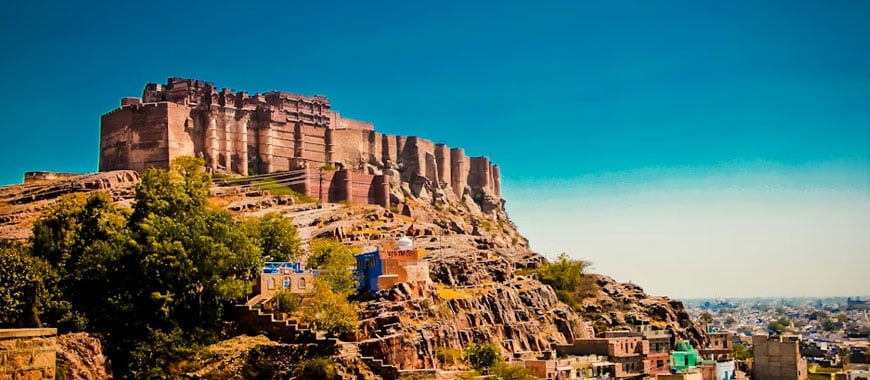
2. Mehrangarh Fort Jodhpur: Cliffside Artillery Dominance (2.5 Hour Cliff Panorama)
Unrivalled distinction: A towering fort rising 400 feet above Jodhpur, offering unmatched views and one of India’s finest museum collections.
Visitor alignment: Ideal for travellers interested in military history, panoramic photography, and immersive heritage narratives.
Timing mastery: 9:00 AM entry avoids harsh afternoon light and improves visual clarity.
Pairing logic: Combine with Umaid Bhawan Palace for a contrast between historic and royal-modern architecture.
3. Kumbhalgarh Fort: World’s 2nd Longest Wall (3-4 Hour Trek Commitment)
Architectural edge: A UNESCO-listed fort featuring a 36 km defensive wall and multiple temple complexes.
Fit profile: Best suited for physically active travellers comfortable with extended walking.
Seasonal sweet spot: Monsoon months transform the fort into a lush landscape, enhancing its visual appeal.
Skip logic: Avoid if time is limited due to its remote location (85 km from Udaipur).
Fort execution rule: Limit to one fort per day to preserve impact and avoid repetition fatigue.
For fort-focused planning, refer to the Jaipur Travel Guide and Jodhpur Tourist Places to structure these experiences within city itineraries.
Predator Wilderness: Ranthambore & Sariska Safari Precision
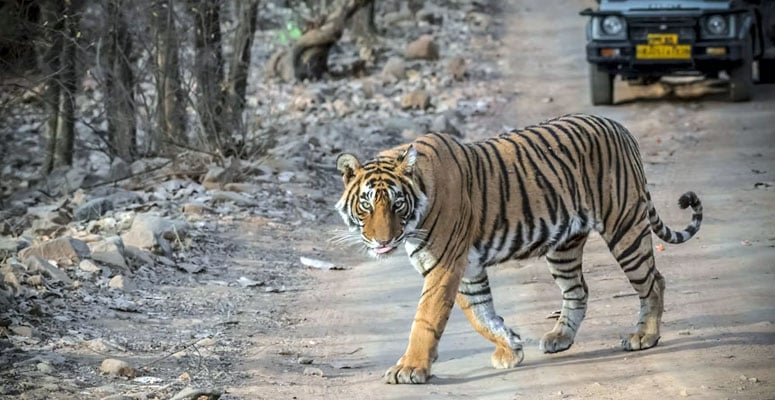
1. Ranthambore National Park:
One of India’s most reliable tiger reserves is structured into multiple safari zones with varying sighting probabilities.
Operational reality: Safaris run twice daily (6–9:30 AM and 2:30–6 PM), lasting approximately 3.5 hours. Booking is essential.
Seasonal advantage: April to June offers higher sighting chances due to water scarcity, concentrating wildlife.
2. Sariska Reserve:
A quieter alternative with fewer crowds, suitable for travellers prioritising a more relaxed wildlife experience.
Lakeside Opulence: Udaipur & Pushkar Tranquil Contrasts
1. Lake Palace Udaipur: Jag Mandir Floating Reverie (2-Hour Boat Immersion)
Payoff calculus: An iconic marble palace set within Lake Pichola, delivering a visually serene and luxurious experience.
Profile match: Ideal for photographers, couples, and travellers seeking slower, reflective moments.
Timing finesse: Afternoon visits balance lighting conditions and crowd levels effectively.
2. Pushkar Lake Ghats & Brahma Temple: Sacred 52-Step Pilgrimage (Full Morning Ritual)
Distinct serenity: A deeply spiritual destination with ritual bathing ghats and the rare Brahma Temple.
Fit: Best suited for travellers interested in cultural and religious experiences.
For lake-based experiences, explore the Udaipur Travel Guide to combine palace, boat, and sunset views effectively.
Offbeat Heritage Infusions: Bundi, Shekhawati, Desert Margins
1. Bundi Stepwells & Taragarh Heights: Monsoon Geometric Cascades (4 Hour Blue Revelation)
Niche excellence: Bundi’s stepwells and fort structures offer a unique architectural experience with minimal tourist crowds.
Monsoon advantage: Water-filled stepwells significantly enhance visual impact.
Explorer alignment: Ideal for photographers and architecture enthusiasts.
2. Shekhawati Haveli Fresco Circuit (Mandawa-Nawalgarh): Open-Air Mythic Galleries (3-Hour Cycle Narrative)
Underrated genius: A region known for fresco-painted merchant homes, blending mythology with colonial-era imagery.
Timing: Early morning visits ensure optimal lighting and cooler conditions.
3. Khuri Dunes & Koyalat Village: Quiet Desert Rhythms (Evening Sunset Camps)
Khuri payoff: A quieter, less commercial alternative to Sam Dunes.
Koyalat edge: Offers a glimpse into rural desert life.
4. Khimsar & Bishnoi Villages: Desert Ecology & Living Traditions (Half-Day Cultural Circuit)
Core experience: A blend of village life, wildlife conservation traditions, and desert ecology.
Visitor alignment: Travellers seeking non-touristy, community-driven experiences.
Time allocation: 4–5 hours, including village interactions and short drives.
Timing: Morning departures ensure better interaction opportunities and softer light.
Pairing logic: Jodhpur → Bishnoi villages → Khimsar stay.
Skip logic: Avoid if the itinerary is tightly packed with major cities only.
5. Sam Sand Dunes Jaisalmer: High-Energy Desert Theatre (3–4 Hour Evening Block)
Positioning: The most popular desert experience with organised camel rides, cultural shows, and camps.
Traveller profile: First-time visitors wanting a structured, lively desert experience.
Time commitment: 3–4 hours (sunset + cultural program), overnight optional.
Timing precision: Late afternoon arrival ensures sunset positioning + evening performances.
Pairing logic: Jaisalmer Fort morning → Sam dunes evening.
Skip logic: Avoid if seeking quieter, less commercial desert settings (choose Khuri instead).
Urban Extensions: Viewpoints, Markets & Cultural Streets
1. Nahargarh Fort Jaipur: Sunset Geometry Over the Pink Grid (1.5–2 Hour Evening Anchor)
Strategic significance: Nahargarh complements Amber and Jaigarh by offering a city-scale visual payoff rather than architectural depth.
Optimal traveller profile: Best for travellers prioritising views, photography, and relaxed exploration over heavy fort interiors.
Time allocation reality: 1.5–2 hours, including sunset positioning and short palace exploration.
Precision timing: Arrive 60–90 minutes before sunset. Post-sunset city lights create a second visual layer.
Pairing sequence: City Palace / Jantar Mantar → Nahargarh sunset → Dinner in Jaipur city.
Elimination triggers: Skip if Amber + Jaigarh have already covered, and time is limited.
2. Johari Bazaar Jaipur: Structured Chaos & Gem Trade Corridors (2-Hour Cultural Walk)
Core value: One of Jaipur’s oldest markets, known for jewellery, textiles, and traditional craftsmanship.
Visitor alignment: Ideal for travellers interested in local commerce, street photography, and cultural immersion.
Time allocation: 1.5–2 hours browsing + buffer for negotiation.
Timing strategy: Late afternoon to evening offers peak vibrancy without midday heat.
Pairing logic: Hawa Mahal → Johari Bazaar → Local dining.
Skip logic: Avoid if not interested in shopping or already visiting multiple bazaars across cities.
3. Clock Tower & Sardar Market Jodhpur: Blue City Street Pulse (1.5 Hour Immersion)
Experiential edge: A dense, high-energy market zone anchored by the historic clock tower.
Profile match: Travellers seeking authentic street life, spices, textiles, and quick cultural snapshots.
Time allocation: 1–1.5 hours, ideally post-fort visit.
Timing finesse: Evening hours provide cooler conditions and peak activity.
Pairing sequence: Mehrangarh Fort → Clock Tower Market → Rooftop dinner.
Elimination triggers: Skip if market fatigue has already set in across Jaipur/Udaipur.
Decision Matrix for Efficient Rajasthan Exploration
The table below compares key attractions based on time investment, physical effort, and overall travel payoff, helping you decide what to prioritise on shorter trips.
| Attraction Theme | Time Investment | Peak Season | Physical Demand | Elimination Priority | Signature Pairing |
|---|---|---|---|---|---|
| Amber Fort | 2.5-3 hrs | Oct-Mar | Moderate (stairs/elephant) | Fort saturation | City Palace PM |
| Ranthambore Safari | 3.5 hrs x2 | Apr-Jun | Low (jeep) | Wildlife indifferent | Sawai ruins |
| Lake Palace Udaipur | 2 hrs boat | Monsoon | Minimal | Palace repetition | Fateh Sagar cycle |
| Bundi Stepwells | 4 hrs | Jul-Sep | Moderate walks | Mainstream focus | Kota Chambal |
| Shekhawati Havelis | 3 hrs cycle | Year-round | Low-medium | Art skippers | Desert camps |
| Kumbhalgarh Wall | 3-4 hrs trek | Jul-Sep | High endurance | Remote/time tight | Ranakpur Jain |
| Mehrangarh Jodhpur | 2.5 hrs | Oct-Mar | Moderate cliffs | Blue city visuals | Umaid Bhawan |
Universal logistics: AC transport is essential between cities. Safari bookings must be done well in advance. Monsoon travel may require flexibility due to road conditions.
Month-Based Travel Optimisation: Climate vs Experience Trade-Off
- October–March (Peak Season): Best for forts, cities, and general sightseeing. Comfortable temperatures enable full-day exploration.
- April–June (Heat + Wildlife Advantage): Harsh conditions, but the highest tiger sighting probability in Ranthambore.
- July–September (Monsoon Visual Upgrade): Transforms landscapes—Bundi, Udaipur, and Kumbhalgarh become visually richer. Lower crowds.
Execution rule: Choose a season based on primary objective (architecture vs wildlife vs photography).
High-Impact Festivals Worth Planning Around
- Pushkar Camel Fair (Nov): Transforms Pushkar into a large-scale cultural and trading spectacle.
- Jaipur Literature Festival (Jan): Ideal for travellers combining culture with intellectual events.
- Desert Festival Jaisalmer (Feb): Adds performances, competitions, and local traditions to desert landscapes.
- Diwali (Oct/Nov): Cities like Jaipur and Udaipur reach peak visual vibrancy.
- Holi (Mar): Best experienced in Jaipur or Pushkar for controlled celebrations.
Lesser-Known High Payoff Destinations
- Barmer: Textiles, crafts, and deep rural authenticity.
- Chittorgarh: Massive fort complex with historical depth but lower crowd density than Amber.
- Osian (near Jodhpur): Temple architecture + mini desert experience.
- Nagaur: Fort restoration projects + cultural events.
Inclusion rule: Add only if the itinerary exceeds 10 days or prioritises exploration over coverage.
High-Return Experiences Worth Integrating
- Hot air ballooning in Jaipur – aerial fort perspectives
- Luxury train journeys (Palace on Wheels) – slow, immersive travel
- Heritage hotel stays – convert accommodation into an experience
- Stepwell explorations (Abhaneri) – architectural uniqueness
- Cooking sessions in Udaipur – cultural immersion
Execution principle: Limit to 1–2 unique experiences per trip to avoid dilution.
Popular Sights Consolidation: Fast-Track Additions
These can be optionally inserted into your main clusters if needed:
- Hawa Mahal (Jaipur) – quick 30–45 min visual stop
- City Palace Jaipur – 1.5–2 hours structured visit
- Jaisalmer Fort – 2–3 hours living fort experience
- Umaid Bhawan Palace – 1–1.5 hour museum visit
Circuit Mastery: Half-Day Snapshots to 14-Day Comprehensive Arc
Jaipur Half-Day Fort Precision (4 Hours Executable)
- 8 AM: Amber Fort ascent
- 11 AM: Jaigarh Fort
- 1 PM: City Palace / Hawa Mahal
- Evening: Market exploration
Udaipur Full Lakeside Day (7 Hours Layered)
- 9 AM: City Palace
- 12 PM: Lake Palace boat ride
- 3 PM: Fateh Sagar
- 7 PM: Cultural show
7-Day Rajasthan Essentials
Jaipur → Pushkar → Udaipur → Ranthambore → Bundi
14-Day Comprehensive Arc (Thematic Depth)
Jaipur → Shekhawati → Pushkar → Udaipur → Kumbhalgarh → Ranthambore → Jodhpur → Jaisalmer
These are indicative route structures to guide planning. For detailed day-by-day itineraries, refer to the Rajasthan tour packages.
Plan Your Rajasthan Journey
If you’re using this guide to structure your trip, these routes help you combine high-impact attractions into a well-paced itinerary:
These journeys help translate attraction clusters into realistic travel plans with the right pacing and coverage.
Rajasthan delivers its strongest experiences when attractions are approached selectively and grouped intelligently. A well-paced itinerary will always outperform a longer checklist.
Rajasthan Tour Packages
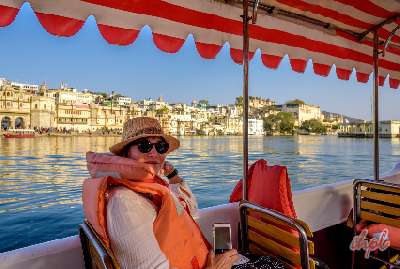
9 Nights / 10 Days
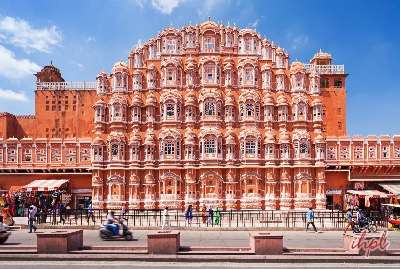
3 Nights / 4 Days
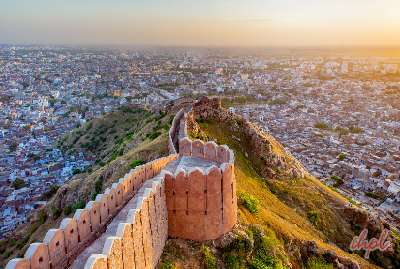
5 Nights / 6 Days
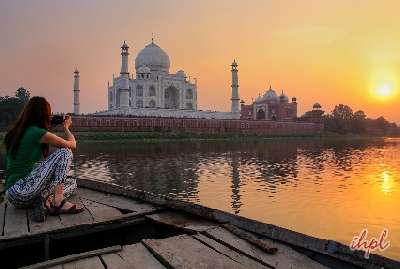
7 Nights / 8 Days
Things To Do in Rajasthan


Why Book With Us
35+
Years of Travel Experience
100+
Travel Experts To Assist You
03+
Million Satisfied Guests
Ministry
of Tourism Accredited
- 5/5 Rating:
- 4/5 Rating: