If you are planning a trip to Kerala, here we are with a list of top things to do, a collection of authentic travel experiences, its lifestyle and culture, and what makes Kerala one of the best tourist destinations in India.
Top Tourist Attractions in Kerala
Quick Facts at a Glance
| What | Snapshot |
|---|---|
| Best for | Backwaters, hills, beaches, culture, wildlife — families, couples, adventure seekers, seniors |
| Ideal trip length | 7–10 days (for a balanced experience) |
| Recommended season | October to March (cool, dry), or post-monsoon (Aug–Sep) for lush greenery |
| This guide covers | Hill stations, backwaters, beaches, waterfalls, wildlife, practical logistics & travel tips. |
Why does Kerala mesmerise every kind of traveller?
Kerala, often called God’s Own Country, is an enchanting destination that beckons travellers with its diversity. From the misty hills of Munnar to the tranquil backwaters of Alappuzha and the golden beaches of Kovalam, Kerala offers something for everyone. Its rich cultural heritage, serene landscapes, and warm tropical climate make it a year-round destination.
Whether you’re seeking a romantic getaway, a family adventure, or a peaceful retreat, Kerala’s combination of nature, culture, and hospitality will leave you awestruck.
How is Kerala laid out for travellers?
Before you choose places, it helps to understand how Kerala is laid out. Most first-time itineraries follow a simple north–central–south flow.
1. North Kerala – Quieter, more offbeat
Bekal, Kannur, Wayanad, and Kozhikode offer a less commercial side of Kerala. Expect long, uncrowded beaches, heritage forts, wildlife, and a strong Malabar food culture. Ideal for repeat visitors and anyone who hates crowds.
2. Central Kerala – Classic “first trip to Kerala” belt
Kochi, Munnar, Thekkady, Alleppey, Kumarakom, Thrissur and Athirappilly fall in this zone. This is where you get the classic combination of tea gardens, spice plantations, backwaters, waterfalls, and culture – perfect for a first or second visit.
3. South Kerala – Beaches, backwaters and temples
Kovalam, Varkala, Poovar, Trivandrum, and nearby coastal villages are known for beaches, Ayurveda, and historic temples. Great for relaxed holidays, wellness trips, and families or couples who want more resort time and less road travel.
Which places should you not miss?
Hill-station Highlands
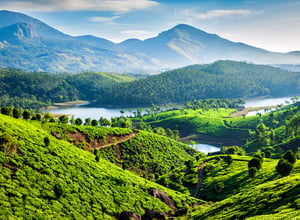
Kerala’s hill stations sit in the Western Ghats, wrapped in tea gardens, mist and forests. Temperatures remain cooler than on the coast, making them ideal for honeymoons, family trips with kids or parents, and anyone escaping city heat.
1. Munnar
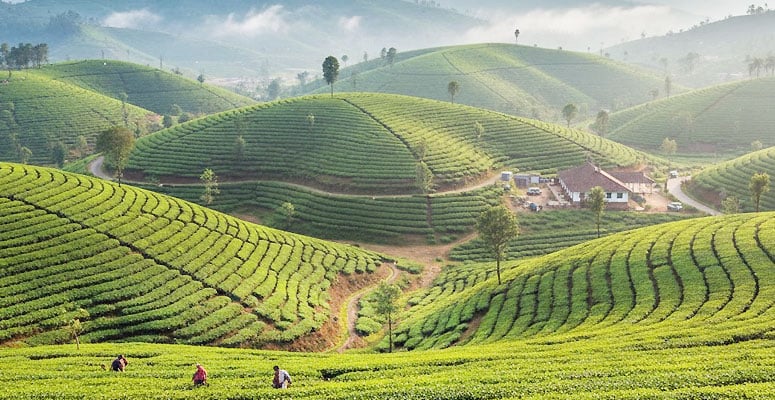
Ideal Stay: 2–3 nights
Munnar is known for rolling tea gardens, cool mountain air and mist that drifts in and out of the valleys. It’s where most first-time visitors fall in love with Kerala’s highlands, from Eravikulam’s grasslands to sunrise points. The town can get busy, but a stay just outside gives you that quiet, green retreat feel.
- Endless tea estates with viewpoints, photo stops and gentle walks.
- Eravikulam National Park is home to the Nilgiri tahr and sweeping valley views.
- Charming plantation stays and boutique resorts away from the primary market.
Planner’s Tip: Stay 5–10 km outside Munnar town (Chithirapuram, Pallivasal, Devikulam belt) for better views and less traffic, and pair Munnar with Thekkady and a backwater night for a balanced first-timer itinerary.
2. Wayanad
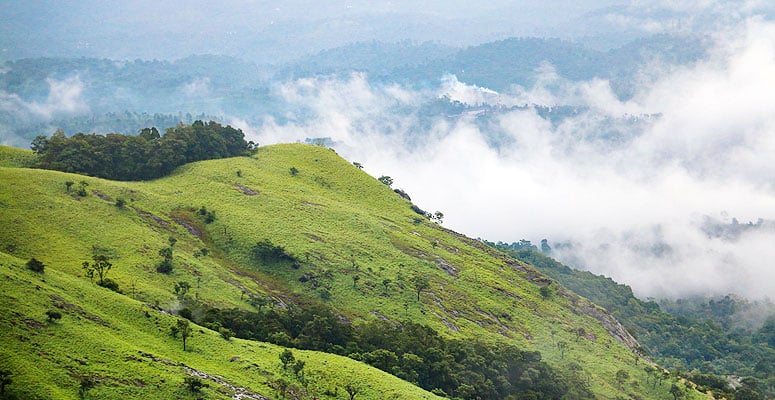
Ideal Stay: 2–4 nights
Wayanad is a forested plateau of hills, coffee estates and waterfalls in North Kerala, popular with road-trippers from Bengaluru and beyond. It feels wilder and more spread out than Munnar, with caves, dams and forest stretches offering plenty of light adventure. Evenings tend to be cool, calm and perfect for slow, misty balcony time.
- Edakkal Caves, Banasura Sagar Dam and multiple viewpoints with valley panoramas.
- Coffee, pepper and spice plantations where you can see Malabar agriculture up close.
- Access to Wayanad Wildlife Sanctuary for safaris and birding, in season.
Planner’s Tip: Pick one base (Kalpetta, Vythiri or around Sultan Bathery) rather than hopping hotels every night, and combine Wayanad with Kozhikode and Bekal for a strong North Kerala loop.
3. Vagamon
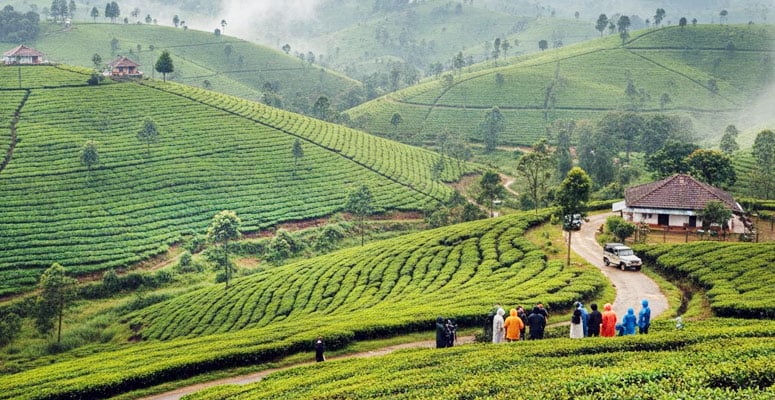
Ideal Stay: 2–3 nights
Vagamon is a softer, more offbeat alternative to Munnar – think windswept meadows, pine forests and misty ridges rather than big tea factories and crowds. It’s a favourite among couples and friends seeking a quieter Highland base with fewer tourists and more time outdoors. The pace is slow, the views are big, and the air feels properly crisp at night.
- Rolling grasslands and viewpoints like Vagamon Meadows and Pine Forest.
- Scope for soft adventure – paragliding (seasonal), short treks, off-road jeep rides.
- A growing set of boutique stays and villas with valley or tea garden views.
Planner’s Tip: Vagamon works beautifully when you want hill weather without Munnar’s crowds. Access it by road from Kochi, Kottayam or Thekkady, and avoid the peak monsoon if you’re planning paragliding or other outdoor activities.
Backwaters & Waterworld
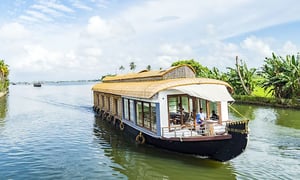
When people picture “God’s Own Country”, it’s usually Kerala’s backwaters, slow canals, palm-lined lakes, and houseboats drifting past village life. You can do this as an overnight houseboat cruise, a lakeside resort stay, or both. Choosing the right backwater base depends on your preferences.
4. Alappuzha
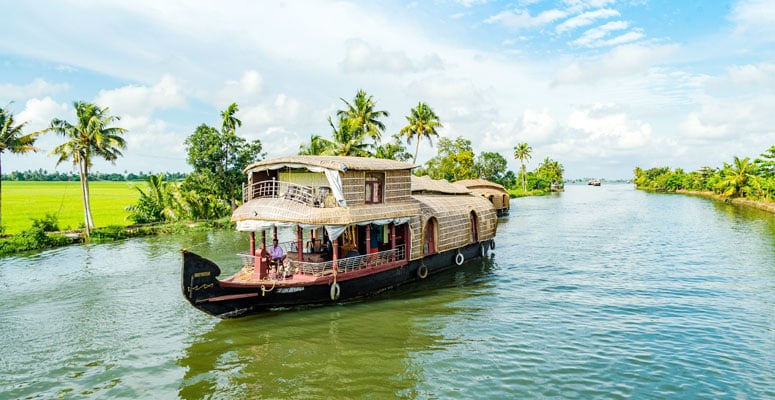
Ideal Stay: 1 night on a houseboat plus 1–2 nights in a resort or homestay (if time allows)
Alleppey is the face of Kerala’s backwaters with canals lined with coconut trees, paddy fields at water level and houseboats gliding past village life. It’s busier and more commercial than other backwater pockets but still delivers that “floating through another world” feeling. For many travellers, one night on a houseboat here is non-negotiable.
- Overnight houseboat cruises with full board and a front-row seat to backwater life.
- Narrow canals where you can see toddy shops, churches and daily routines up close.
- Easy add-ons include a morning canoe ride, Alleppey Beach, and short walks in town.
Planner’s Tip: For a first trip, one night on a well-rated, licensed houseboat is enough – add an extra night in a lakeside resort if you want more backwater time without constant cruising.
5. Kumarakom
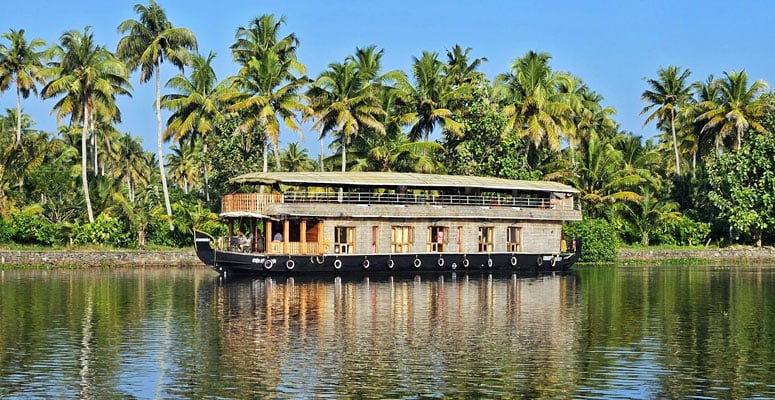
Ideal Stay: 2–3 nights
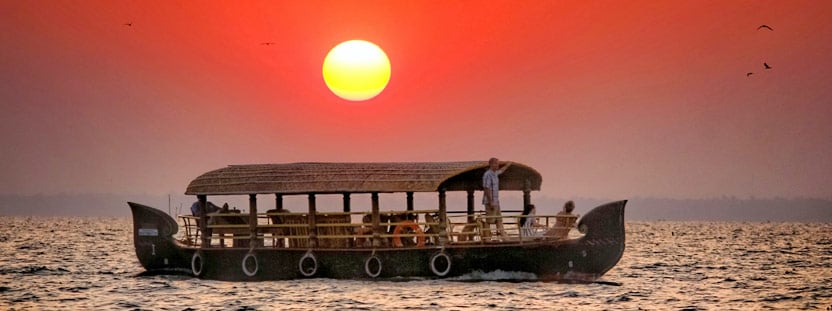
Kumarakom is the more relaxed, resort-led cousin of Alleppey, sitting on the banks of Vembanad Lake. Here, the focus is on lounging in a lake-view pool, sunset cruises, and bird calls more than canal-hopping. It’s a great choice if you want backwaters with space and a slightly more upscale, laid-back vibe.
- Lakefront resorts with lawns that run down to the water’s edge.
- Kumarakom Bird Sanctuary and village walks along canals and paddy fields.
- Short sunset or breakfast cruises instead of full-time houseboat stays.
Planner’s Tip: Use Kumarakom as your backwater base if you prefer a comfortable resort and short boat trips over sleeping on a houseboat. It pairs well with Munnar and Thekkady on a 6–8-day itinerary.
6. Ashtamudi Lake (Kollam)
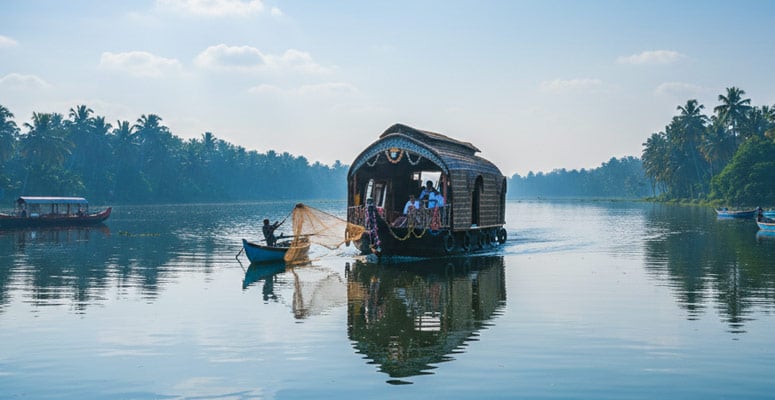
Ideal Stay: 2–3 nights
Ashtamudi is a vast, palm-fringed lake near Kollam, where the backwaters feel wider, calmer, and less commercial than those in Alleppey. Resorts hug long stretches of water, and life moves at a pace set by fishing boats and slow sunsets. It’s a superb choice for travellers flying into or out of Trivandrum who still want a serious backwater experience.
- Wide, open backwater vistas ideal for leisurely cruises and lake-view pools.
- Village visits and canoe rides that feel more low-key than Alleppey’s main canals.
- Easy combination with Kollam town, Thangassery Lighthouse and nearby beaches.
Planner’s Tip: Pick Ashtamudi if you’re doing a South Kerala route (Kovalam or Poovar plus Trivandrum) and don’t want to drive all the way to Alleppey but still want backwaters that feel special.
Beaches & Coastal Charm
Kerala’s coastline isn’t a single “Goa-style” strip; each beach pocket has a distinct personality. Some, like Kovalam, are classic resort hubs; others, like Varkala, have a younger café scene, while places like Marari and Bekal remain quieter and more resort-driven. Pick your beach based on how much nightlife, privacy, and sightseeing you really want.
7. Kovalam
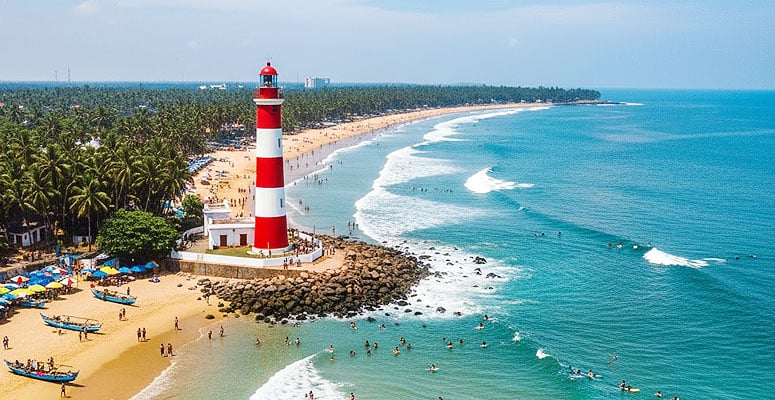
Ideal Stay: 2–3 nights
Kovalam is Kerala’s original beach star, a string of crescent-shaped bays just south of Trivandrum, backed by hotels, Ayurvedic centres and cafes. It’s more developed than most Kerala beaches, but that also means plenty of restaurant options, promenades, and evening activity. For many travellers, it’s the default “relax by the sea” finale to a Kerala circuit.
- Lighthouse and Hawa beaches with promenades, cafes and an active seafront.
- Ayurvedic and wellness centres ranging from simple clinics to upscale retreats.
- Easy day trips to Trivandrum’s museums, temples and city markets.
Planner’s Tip: Opt for a sea-facing property on or just above Lighthouse Beach if you like being close to the action; choose a slightly off-strip resort if you prefer quieter nights and more resort time.
8. Varkala
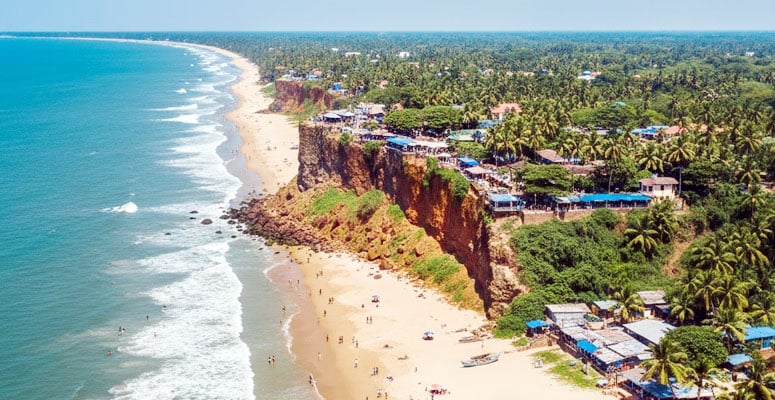
Ideal Stay: 2–4 nights
Varkala is Kerala’s most distinctive beach setting – dramatic red cliffs dropping to a golden beach, with cafes, yoga spaces and homestays strung along the cliff edge. It has a younger, more bohemian vibe than Kovalam, with plenty of sunset spots and chill evenings. The combination of sea views, relaxed walks and good food keeps you entertained.
- Cliff-top promenade with uninterrupted Arabian Sea views and spectacular sunsets.
- Mix of guesthouses, boutique hotels, yoga retreats and Ayurveda centres.
- Papanasam Beach below the cliffs, plus nearby lesser-known coves.
Planner’s Tip: Varkala involves a fair number of steps between cliff and beach, so it suits younger travellers and mobile couples or groups better; for seniors or toddlers, consider Marari or Kovalam instead.
9. Marari Beach
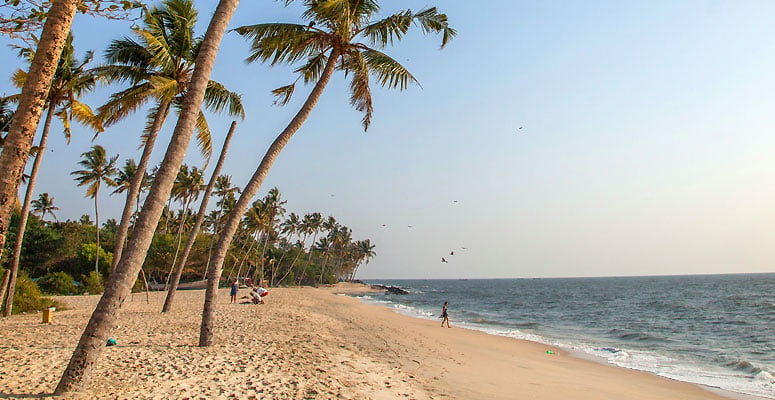
Ideal Stay: 2–4 nights
Marari is the antidote to crowded, shack-heavy beaches – a long, tranquil stretch of sand shaded by coconut trees, with resorts tucked discreetly behind. There’s not much in the way of nightlife or shopping; the focus is firmly on pool-and-sea days, long walks and doing very little. It’s an excellent follow-up to a houseboat night in Alleppey.
- Quiet, uncrowded beach with a strong resort-and-village feel.
- Good mid-range and upscale properties with gardens leading to the sea.
- Easy access to Alleppey backwaters for day cruises or short visits.
Planner’s Tip: Use Marari as your “exhale” stop after a slightly more packed hill-and-backwater circuit – it’s close to Alleppey and reasonably accessible from Kochi Airport, making it ideal for the last leg of your trip.
10. Bekal
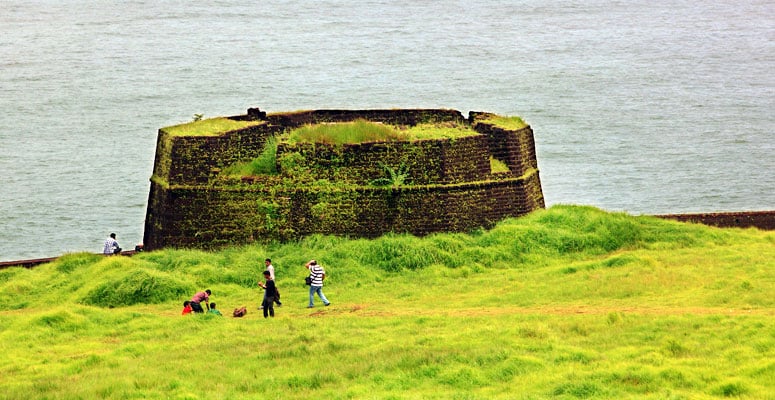
Ideal Stay: 2–3 nights
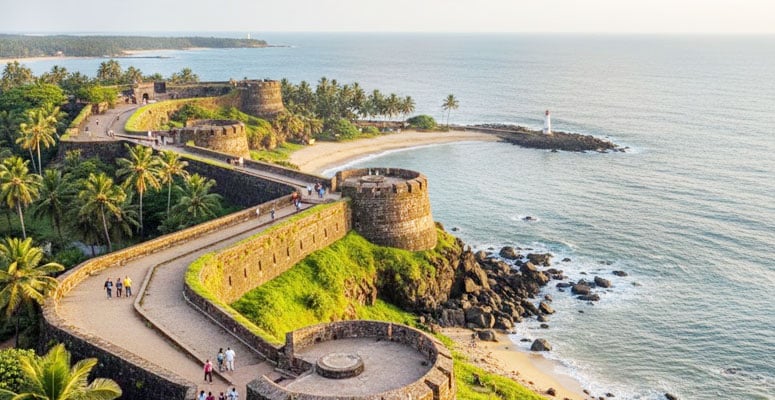
Bekal is one of Kerala’s most striking coastal spots, a massive laterite fort jutting into the sea, long golden beaches and a small cluster of good resorts. It still feels far less commercial than the state’s southern beaches, and sunsets from the fort walls are genuinely memorable. It’s a natural anchor point for a North Kerala itinerary.
- Bekal Fort with sweeping views over the Arabian Sea and surrounding coastline.
- Long, relatively quiet beaches lined with palms and small villages.
- High-quality resorts that work beautifully for honeymoons and relaxed family time.
Planner’s Tip: Combine Bekal with Wayanad and Kozhikode if you want to focus on a North Kerala loop – it’s also a smart choice for repeat visitors who’ve already spent time around Munnar, Alleppey and Kovalam.
11. Poovar Island
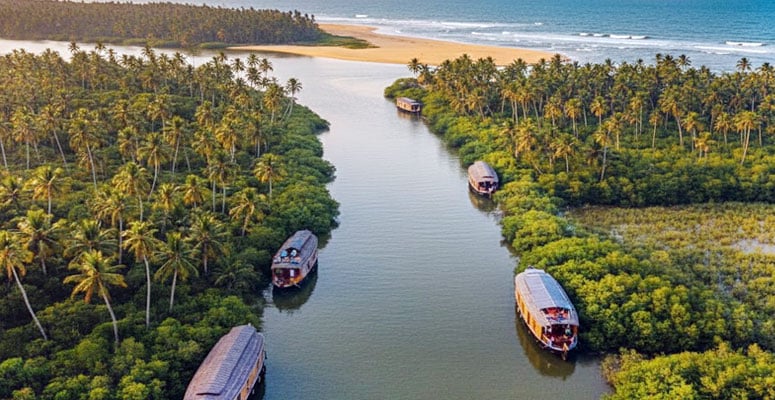
Ideal Stay: 2–3 nights
Poovar sits where river backwaters, estuary and sea meet, with many resorts accessible only by a short boat ride. The feel is more “water retreat” than classic beach town: you move around by boat, soak up mangrove views and walk along sandbars at low tide. It’s intimate, scenic and a great choice if you want seclusion.
- Boat transfers through narrow channels to island-style resorts.
- Estuary and sandbar walks with views of both river and sea.
- Calm setting for Ayurveda programs, spa days and reading by the water.
Planner’s Tip: Poovar fits perfectly at the end of an itinerary that exits from Trivandrum – pick it over Kovalam if you prefer quiet, water-surrounded resorts with minimal external noise and nightlife.
Forests, Waterfalls and Wildlife
Beyond tea gardens and beaches, Kerala’s forests and waterfalls add a completely different mood to your trip – dense jungles, misty viewpoints, and rich bird and animal life. Whether you choose Periyar, Athirappilly, Parambikulam or a lesser-known reserve, these stops are perfect for travellers who enjoy safaris, hiking, and raw nature.
12. Thekkady (Periyar)
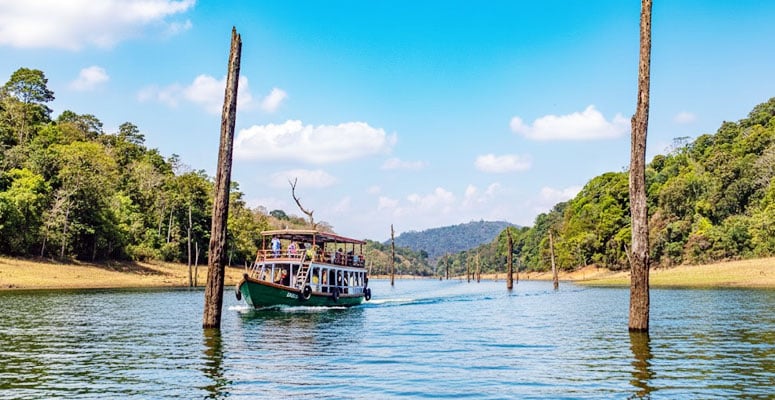
Ideal Stay: 2 nights
Thekkady is Kerala’s gateway to Periyar Tiger Reserve, a landscape of spice-scented hills, cardamom plantations and deep forest. The lively town of Kumily offers shops and cafes, while the reserve itself provides boat safaris, guided walks and a genuine chance of spotting wildlife. It’s the “green plus adventure” middle leg in many Kerala trips.
- Periyar Lake boat cruises, bamboo rafting and guided nature walks.
- Spice plantations & markets where you can see and buy pepper, cardamom and more.
- Evening cultural shows featuring Kathakali, Kalaripayattu and local arts.
Planner’s Tip: Pre-book Periyar’s official forest activities where possible, and aim for early-morning or late-afternoon slots for better wildlife sightings and softer light.
13. Athirappilly
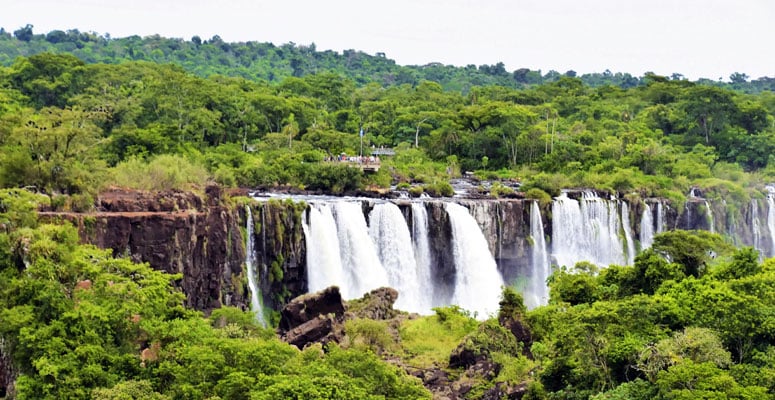
Ideal Stay: 1 night (or a long day trip from Kochi/Thrissur)
Athirappilly is all about big water and lush greenery – Kerala’s most famous waterfalls, set against thick forest, within reach of both Kochi and Thrissur. In full flow, the falls are spectacular and thunderous; in the shoulder months, they’re gentler but still scenic. It works well as either a day trip or a short night halt.
- Athirappilly Falls and the slightly smaller, pretty Vazhachal Falls nearby.
- Forested surroundings that look especially lush after the monsoon.
- A convenient stop between Kochi, Thrissur and the Anamalai/Valparai region.
Planner’s Tip: Plan your visit during the safer part of the monsoon, or just after, when the falls are full, but access is stable. Families with young kids should be cautious near wet rocks and viewpoints.
14. Parambikulam Tiger Reserve

Ideal Stay: 1–2 nights
Parambikulam is a quieter, more rustic alternative to some of South India’s busier reserves, spread around a large reservoir and thick forests. It’s known for well-managed eco-stays, excellent birdlife and the sense of being properly “in” the jungle. Facilities are simple, but that’s precisely what many wildlife lovers enjoy.
- Jeep safaris and guided treks through prime elephant and tiger habitat.
- Eco-lodges and treehouses are operated with a strong conservation focus.
- Reservoir views, bamboo rafting and calm evenings under starry skies.
Planner’s Tip: Book accommodation and activities through authorised eco-tourism channels only – this ensures you get legitimate guides and your money supports conservation and local communities.
15. Silent Valley National Park
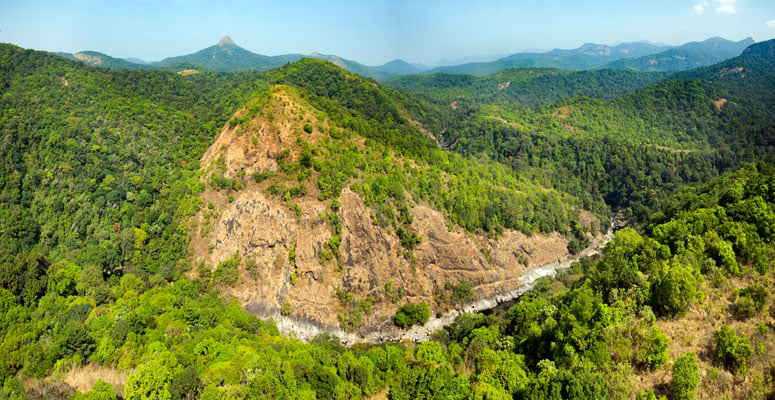
Ideal Stay: 1–2 nights (usually combined with Palakkad or nearby hill regions)
Silent Valley is one of India’s most pristine rainforest pockets, tucked away in the Nilgiri Biosphere Reserve. It’s less about jeep safaris and more about quiet treks, viewpoints and understanding how an old-growth forest looks and sounds. This is a park for nature purists rather than checklist wildlife tourists.
- Dense evergreen forests are home to Lion-tailed macaques, rare birds and butterflies.
- Guided hikes to viewpoints like Sairandhri with deep valley vistas.
- A strong “off-the-grid” feel that’s hard to find near more popular parks.
Planner’s Tip: Silent Valley makes the most sense for travellers who have already visited more mainstream reserves such as Periyar and now want a wilder, less commercial forest experience.
16. Gavi

Ideal Stay: 1–2 nights
Gavi is a small, forest-fringed lake and eco-tourism zone within the larger Periyar landscape. Accommodation is simple but atmospheric, and the focus is firmly on walks, jeep rides and quiet time watching the mist rise off the water. It feels far removed from town lights and markets.
- Nature walks, jeep safaris and boating in a serene, forested setting.
- Basic but memorable forest bungalows and tents with a real “in the wild” feel.
- Great chances for birdwatching and soaking in the layered hill and forest views.
Planner’s Tip: Treat Gavi as an add-on to Thekkady rather than a standalone stop – it’s best for travellers who are fine with simple stays and want to trade a bit of comfort for immersion in nature.
Culture and Heritage Towns
Beyond tea gardens and beaches, Kerala’s forests and waterfalls add a completely different mood to your trip – dense jungles, misty viewpoints, and rich bird and animal life. Whether you choose Periyar, Athirappilly, Parambikulam or a lesser-known reserve, these stops are perfect for travellers who enjoy safaris, hiking, and raw nature.
17. Fort Kochi
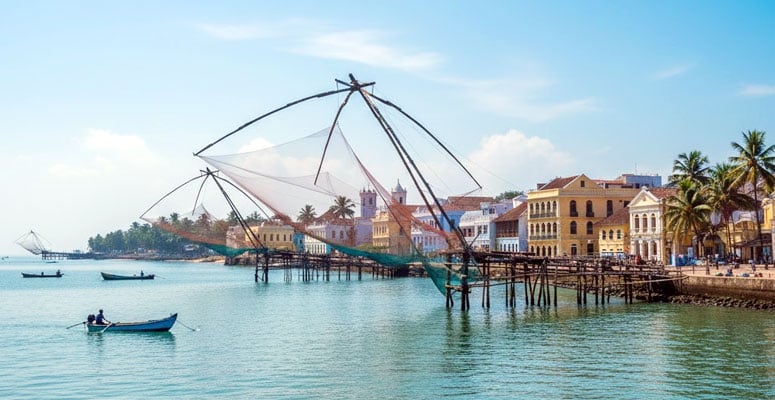
Ideal Stay: 2–3 nights
Fort Kochi is Kerala’s most atmospheric port quarter – a layered mix of colonial-era buildings, Dutch and Portuguese churches, a historic synagogue and cafe-lined streets. It’s where history, art and good coffee come together, set against a backdrop of Chinese fishing nets and harbour views. Many international and domestic visitors use it as their soft landing into Kerala.
- Heritage sites like St. Francis Church, the synagogue, Mattancherry Palace and the old lanes.
- A lively cafe and gallery culture, especially around Princess Street and Jew Town.
- Evening strolls along the waterfront to watch Chinese fishing nets and harbour traffic.
Planner’s Tip: Stay in Fort Kochi itself rather than mainland Ernakulam – you’ll lose time and charm if you are constantly crossing back and forth. Use Uber/cabs for airport and station transfers.
18. Thrissur
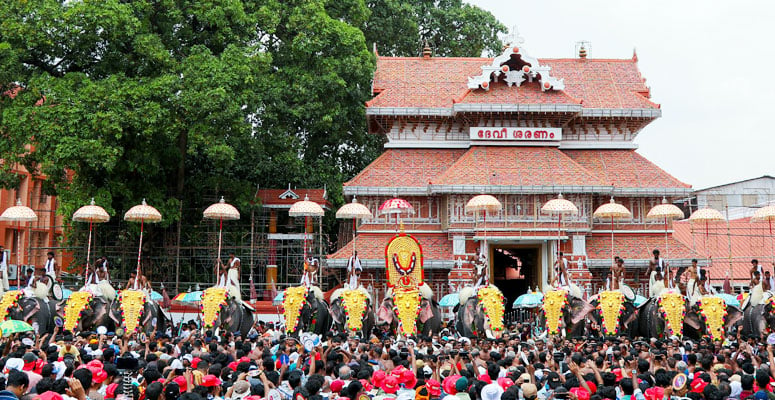
Ideal Stay: 1–2 nights
Thrissur is Kerala’s cultural capital, known for its grand temples, churches, classical music traditions and the legendary Thrissur Pooram festival. Even without a big festival on, it offers a deep dive into Kerala’s devotional and artistic side. It’s also a handy base for visiting Guruvayur and Athirappilly.
- Religious landmarks, including Vadakkumnathan Temple and nearby churches.
- Intense classical arts scene – concerts, performances and cultural events.
- Easy day trips to Athirappilly Falls and other regional attractions.
Planner’s Tip: If you’re visiting around Thrissur Pooram or major temple festivals, book far in advance and expect road diversions and crowds – the upside is an unforgettable cultural spectacle.
19. Kozhikode (Calicut)
Ideal Stay: 2–3 nights
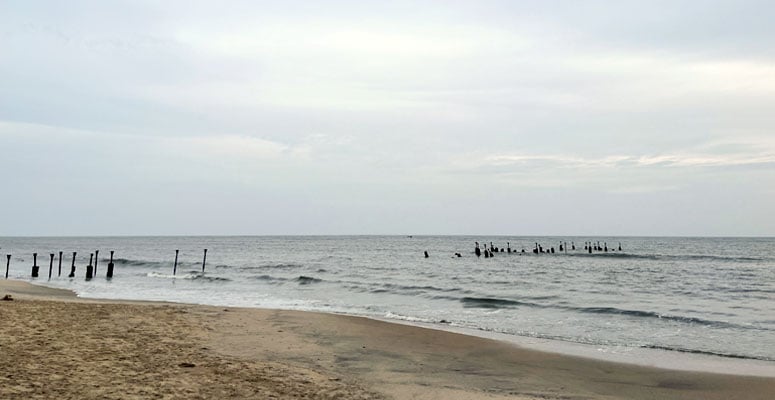
Kozhikode is a relaxed coastal city with a serious food reputation – legendary biryani joints, classic sweet shops and street snacks around every corner. Layered on top of this are traces of its spice trade past, a lively seafront, and easy access to nearby beaches and backwaters. It’s a great starting or ending point for a North Kerala itinerary.
- Iconic Malabar food – from biryani and seafood to banana chips and halwa.
- Kozhikode Beach and nearby coastal stretches for evening outings.
- Historic lanes, markets and easy onward access to Wayanad and Bekal.
Planner’s Tip: Use Kozhikode as your entry/exit city if you’re focusing on Wayanad and Bekal – it breaks the journey nicely and gives you a dedicated food stop rather than rushing through.
Hidden Gems and Lesser-Known Treasures
If you like staying a step ahead of the crowd, Kerala has plenty of corners that still feel raw and unhurried. These aren’t always packed with “sightseeing points”; they’re more about mood – village lanes, quiet sunsets, and long conversations over filter coffee or toddy.
20. Kolukkumalai Tea Estate
Ideal Stay: 1 night in an estate stay or a focused half/full-day trip from Munnar.
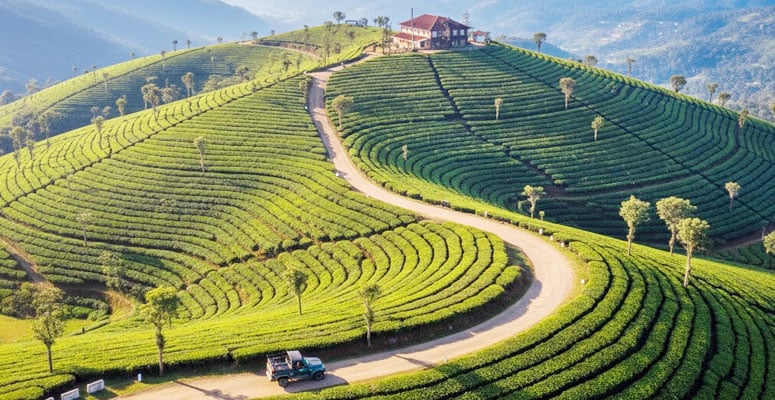
Kolukkumalai is a high-altitude tea estate straddling the Tamil Nadu–Kerala border, accessed via a bumpy jeep track from the Munnar side. What you get in return is some of the most dramatic tea-country scenery in South India and a sense of being perched on top of the world. It’s all about sunrise, clouds below you and old-school tea-making.
Highlights:
- Spectacular sunrise views over layered hills and valleys.
- One of the world’s highest tea factories is still using traditional methods.
- Off-road jeep rides that feel like an adventure in themselves.
Planner’s Tip: The jeep ride up is rough and not ideal for those with severe back or neck issues. If mobility is a concern, keep Kolukkumalai as a quick visit rather than an overnight.
21. Munroe Island
Ideal Stay: 1–2 nights
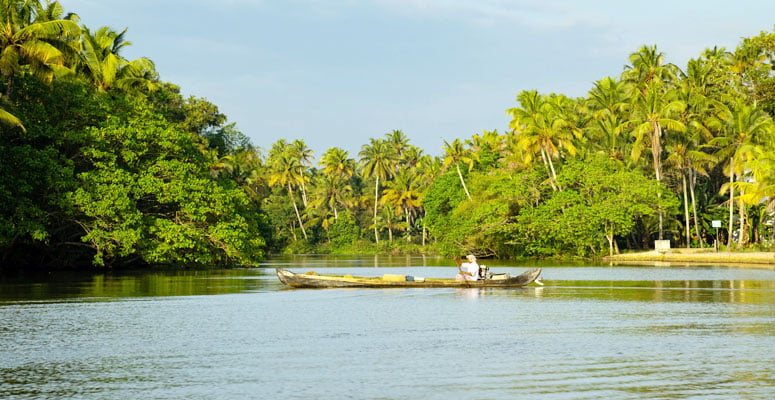
Munroe Island is a low-lying cluster of islets near Kollam, where village life and backwaters converge. Narrow canals, small homes, coir-making units and quiet jetties set the tone. It feels far removed from the houseboat-heavy circuits, with simple homestays and canoe tours rather than big resorts.
- Narrow canal canoe rides at sunrise and sunset with very little boat traffic.
- Village walks where you see everyday life, from coir rope making to fishing.
- Birdlife and calm backwater scenery are ideal for photographers and slow travellers.
Planner’s Tip: Munroe works best for travellers who value authenticity over luxury – pick a well-reviewed homestay, expect basic comfort, and slot it between Ashtamudi and Trivandrum for minimal backtracking.
22. Nelliyampathy
Ideal Stay: 1–2 nights
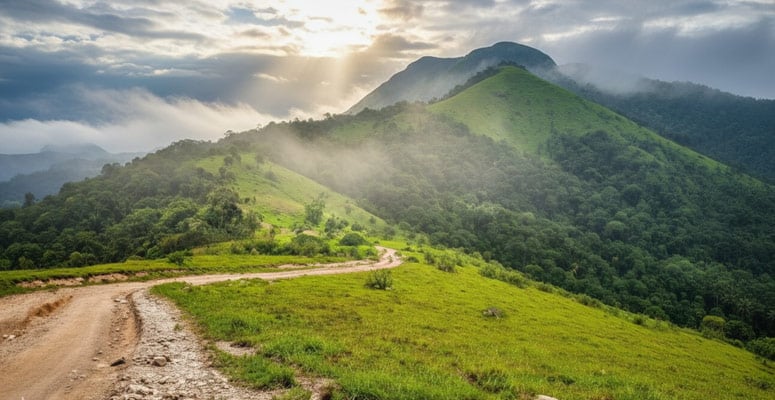
Nelliyampathy is a lesser-known hill pocket of coffee and tea estates, hairpin bends and mist-laced viewpoints. It feels like a throwback to quieter hill-station days, with fewer hotels and far fewer crowds than Munnar. The reward is peaceful drives, cool air and expansive valley views.
- Estate drives with viewpoints over Palakkad Gap and the surrounding plains.
- Coffee and tea plantations with a low-key, old-world charm.
- Limited but characterful stays that make you feel like a house guest.
Planner’s Tip: Nelliyampathy is best suited to self-drive or chauffeured road trips linking Tamil Nadu and Kerala – it works well as a quiet pause before or after busier days in central Kerala.
23. Kakkathuruthu
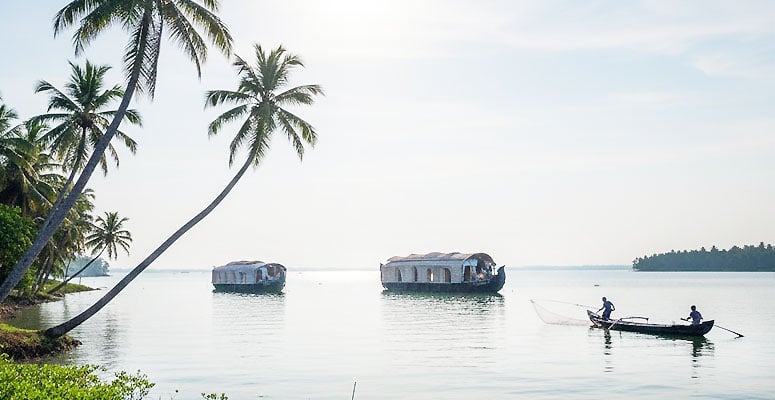
Ideal Stay: 1–2 nights (or a long day trip from Alleppey)
Kakkathuruthu, the “Island of Crows”, is a tiny backwater island that shot to fame after a National Geographic sunset shot. Despite the attention, it remains low-key – a place of narrow paths, village homes and big skies reflected in the water. It is more about mood than monuments.
- Spectacular sunsets over still backwaters with minimal visual clutter.
- Small homestays and village experiences that keep things intimate and personal.
- Canoe rides and walks that give you a close look at island life.
Planner’s Tip: Swap an extra night on a houseboat for a night on Kakkathuruthu if you want to feel the silence of the backwaters after the boats go home – it’s a different kind of backwater experience.
What are the unmissable Kerala experiences (beyond just places)?
Kerala isn’t just a checklist of towns; it’s a set of experiences you stitch into an itinerary. Mix and match these to design a trip that fits your travel style:
1. Overnight houseboat on the backwaters
Drifting through the canals of Alleppey or Kumarakom in a traditional kettuvallam is still Kerala’s signature experience. Expect unhurried cruising, homely food on board and starlit nights anchored in the backwaters.
2. Tea-garden walks and factory visits
In Munnar or Kolukkumalai, walk through emerald-green tea estates, watch pluckers at work, and see how the leaves in your cup are processed.
3. Spice plantation tours
Around Thekkady, Wayanad and parts of central Kerala, spice plantations let you see pepper, cardamom, nutmeg and more growing side by side – with plenty of chances to buy fresh produce.
4. Wildlife safaris and nature walks
Boat safaris in Periyar, jeep rides in Parambikulam or guided treks in Silent Valley and Gavi give you a taste of Kerala’s rich biodiversity – elephants, birds, butterflies and more.
5. Kathakali, Kalaripayattu and classical arts
In Kochi, Munnar, Thekkady and Thrissur, evening shows showcase Kerala’s dance-drama, martial arts and music. These are short, curated introductions that work well even for first-timers.
6. Ayurvedic massages and wellness stays
From day spa treatments in Kovalam and Kumarakom to longer retreats, Ayurveda is deeply woven into Kerala’s tourism. A traditional massage or shirodhara session is a great way to unwind after long travel days.
7. Food trails and toddy shops
Try appam with stew, karimeen pollichathu, Malabar biryani, banana fritters and more. In some regions, traditional toddy shops serve fresh coconut palm wine with rustic seafood.
What is the best time to visit by season & region?
| Region / Experience | Best Season | Why |
|---|---|---|
| Hill stations (Munnar, Wayanad) | October to March | Cool, misty mornings; clear skies; ideal for sightseeing and treks |
| Backwaters & Houseboats (Alappuzha, Kumarakom) | November to February | Calmer waters, pleasant weather, lush greenery |
| Beaches & Coastal Areas (Varkala, Kovalam) | October to March | Ideal for swimming and beach strolls; pleasant sea breeze |
| Waterfalls & Forests (Athirappilly, Periyar) | Post-monsoon (August–September) or October–November | Best time for waterfalls, lush forests, and clear skies |
| General travel | October to February | Cool weather; ideal for a comprehensive Kerala tour |
How can you travel to Kerala and move around?
By Air
- Kerala has international airports in Kochi, Trivandrum, and Kozhikode, making it accessible from anywhere in India and abroad.
By Rail
- Kerala’s train network is wellconnected, with major stations in Thiruvananthapuram, Kochi, and Kozhikode.
By Road
- Kerala’s roads are wellmaintained, and private taxis or buses are available for intercity travel.
How long should your trip be and what to choose based on travel style?
Ideal trip duration:
- 7–10 Days: A well-rounded Kerala experience — 2–3 days for hill stations, 2–3 days for backwaters, 2 days for beaches, and a day or two for wildlife.
- Family tours may require more time, while honeymooners might prefer a faster, more relaxed pace (7 days).
- Adventure seekers may focus on hiking or jungle safaris, which typically require 10+ days.
What kind of stay & comfort can you expect?
- Hill stations: Stay in cosy resorts or teaplantation bungalows in Munnar or Wayanad.
- Backwaters: Enjoy the serene experience of houseboats or lakeside boutique resorts in Kumarakom.
- Beaches: Coastal resorts, cottages, or even luxury beachfront villas in Kovalam and Varkala.
What should you know about travel tips before you go?
- Clothing: Dress modestly in temples, especially in rural areas.
- Safety: Kerala is generally safe, but beware of monsoon flooding (June–September).
- Local customs: Respect local customs, especially during religious festivals.
Why plan your Kerala trip with IndianHoliday?
- Over three decades of experience as a destination management company, crafting customised India holidays.
- National Tourism Award–winning team recognised by the Government of India for service quality.
- Strong on-ground network in Kerala – trusted drivers, licensed guides, curated houseboat and resort partners.
- End-to-end support with flights, hotels, transfers, sightseeing and exceptional experiences tailored to your interests.
This means you get insider-level trip planning with a single point of contact, rather than juggling multiple bookings yourself.
Plan Your Kerala Trip with IndianHoliday — Get a customised itinerary today!
FAQ
Q. When is the best time to visit Kerala?
The best time to visit Kerala is from October to March, when the weather is pleasant. However, if you want to enjoy the monsoon season, June–September offers lush green landscapes.
Q. How can I travel around Kerala?
Kerala is well connected by air, rail, and road. Private taxis and houseboats are common ways to explore the state.
Q. How many days are enough for a Kerala trip?
For a well-rounded first trip covering hill stations, backwaters, and a beach, 7–10 days is ideal. If you’re short on time, a 3–4 day break focused on Kochi and the backwaters also works well.
Q. Is Kerala expensive for tourists?
Kerala can be customised to different budgets. Comfortable, well-located stays with private transfers and a houseboat night typically fall in the mid-range bracket, while premium resorts and luxury boats increase costs. Booking in shoulder seasons and avoiding major holidays helps keep prices sensible.
Q. Is Kerala safe for families and senior citizens?
Yes. Kerala is one of India’s more traveller-friendly states, with good basic infrastructure, reliable hospitals in significant towns, and friendly local communities. For seniors, plan shorter road segments, choose properties with elevators or easy access, and avoid very steep hikes.
Q. Which is better for a honeymoon – Munnar, Wayanad or Thekkady?
Munnar is ideal if you want picture-perfect tea estates and classic hill-station scenery; Wayanad suits couples who enjoy a mix of hills, waterfalls, and light adventure; Thekkady works well if you wish to see both greenery and wildlife in one stop. Many honeymoon itineraries combine Munnar with either Wayanad or Thekkady, plus a backwater night.