






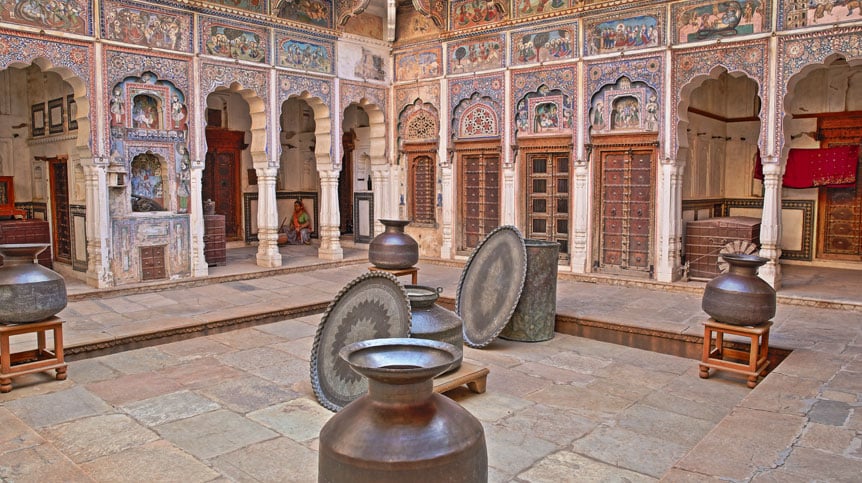

These museums are most valuable for travellers who want more than fort exteriors and palace photography and are willing to spend time on artefacts, royal collections, painting traditions, military history, or archaeology.
Rajasthan’s museum layer works best selectively. Most short-trip visitors benefit more from choosing one major state museum and one highly atmospheric or specialist museum rather than trying to cover every collection.
This guide helps you decide which museums genuinely deserve time, what each one does best, and how to combine them efficiently within city sightseeing circuits.
How Rajasthan’s Museums Differ
Albert Hall Museum (Jaipur) → Best overall state museum and miniature painting collection
Mehrangarh Fort Museum (Jodhpur) → Strongest royal-fort museum experience
Umaid Bhawan Palace Museum (Jodhpur) → Royal lifestyle + Art Deco atmosphere
Ahar Museum (Udaipur) → Archaeological depth and early civilisation context
Jaisalmer War Museum → Military history and emotional storytelling
Anokhi Museum (Jaipur) → Textile printing and craft traditions
City Palace Museums (Jaipur/Udaipur) → Royal collections inside active palace complexes
Albert Hall Museum — Jaipur
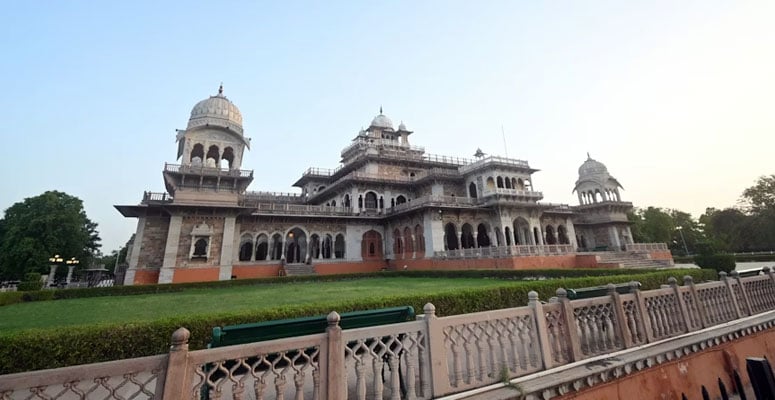
(Must-Visit | Best First Museum in Rajasthan)
The most comprehensive museum in Rajasthan and a landmark building in its own right — a stunning Indo-Saracenic structure in Ram Niwas Garden, built in 1887. The collection spans metal objects, carpets, stone and metal sculptures, wood crafts, arms and weapons, natural stones, and ivory goods. The most distinctive element is an extensive collection of miniature paintings from the Bundi, Kota, Udaipur, Kishangarh, and Jaipur schools of art — offering visitors a comprehensive overview of Rajasthan’s regional painting traditions in a single visit.
Location: Ram Niwas Garden, Ashok Nagar, Jaipur.
Timings: 9 AM–5 PM and 7–9:30 PM (evening session).
Umaid Bhawan Palace Museum — Jodhpur
(High-Value | Royal Lifestyle Focus)
Housed within the magnificent Umaid Bhawan Palace — designed by Henry Vaughan Lanchester and built between 1929 and 1943 — the museum gives access to a unique collection of royal heirlooms belonging to Maharaja Umaid Singh and the royal family. The collection reflects the Maharaja’s strong interest in the Western way of life alongside Rajasthani royal traditions — antique clocks, Art Deco interiors, miniature paintings, rare household items, stuffed leopards, weapons, and a vintage car collection displayed in the palace forecourt. The current royal family still resides in one wing of the palace.
Location: Umed Bhawan Palace Road, Cantt Area, Jodhpur.
Timings: 9 AM–5 PM. Closed Sundays and public holidays.
Ahar Museum — Udaipur
(Specialist | Archaeology-Focused)
A small but genuinely significant archaeological museum surrounded by a cluster of cenotaphs of the Maharanas of Mewar. The collection covers earthen pots, sculptures, and archaeological finds dating back to 1700 BC — making it one of the oldest archaeological records accessible to visitors in Udaipur. The standout piece is a 10th-century metal figure of Buddha — a rare and extraordinary artefact. The museum’s location among the Ahar cenotaphs adds a heritage dimension beyond the collection itself.
Location: Main Road, Ayad, Ganapati Nagar, Udaipur.
Timings: 10 AM–4:30 PM.
Vintage Car Collection — Udaipur
Displayed on the grounds of the Garden Hotel near Hotel Fateh Garh, this museum showcases an exquisite collection of vintage and classic vehicles once owned by the Maharajas of Udaipur — Cadillac, Morris, Chevrolet, and other luxury automobiles that served as royal transportation.
Location: Fateh Vilas, near Hotel Fateh Garh, Bujra, Udaipur.
Timings: 9 AM–7:30 PM.
Jaisalmer War Museum — Jaisalmer
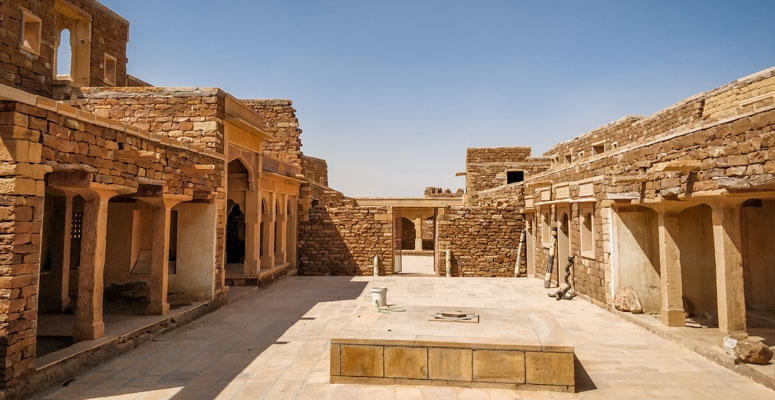
(High-Value | Military History Experience)
Set up to honour the brave soldiers who gave their lives in the 1965 Indo-Pak War and the 1971 Battle of Longewala, the Jaisalmer War Museum is one of the most moving heritage stops in the state. Captured tanks and military vehicles, soldiers’ weapons and memorabilia, and an audiovisual room screening films about the wars are the primary attractions. A Hunter aircraft gifted by the Air Force — used in the 1971 Indo-Pak War — is on outdoor display. Given Jaisalmer’s strategic position near the Pakistan border, this museum carries a particular geographic resonance.
Location: Thaiyat, Jaisalmer.
Timings: 9 AM–5 PM. Closed Tuesdays.
Government Archaeological Museum — Jaipur
Built with the support of the Dungarpur royal family, who donated their personal collection of sculptures and historically significant inscriptions, this museum houses 6th-century statues, stone inscriptions, coins, and paintings collected by the Department of Archaeology.
Location: Albert Hall, Ram Niwas Garden, Jaipur.
Timings: Confirm locally.
Mehrangarh Fort Museum — Jodhpur
(Must-Visit | Rajasthan’s Strongest Fort Museum)
The museum inside Mehrangarh Fort combines royal collections with one of the most atmospheric fort environments in India. Palanquins, royal cradles, arms, miniature paintings, turbans, textiles, and decorated palace apartments are displayed within the fort itself, making the museum experience inseparable from the architecture.
Best for: First-time visitors, royal history enthusiasts, and photographers.
Time needed: 2–3 hours minimum.
Best timing: Morning.
Guide value: High — the fort’s layered history becomes significantly more rewarding with contextual explanation.
Pairing logic: Combine with Jaswant Thada and Umaid Bhawan Palace Museum.
Practical notes: This is one of the few museums in Rajasthan where the setting itself is as important as the collection.
Anokhi Museum of Hand Printing — Jaipur
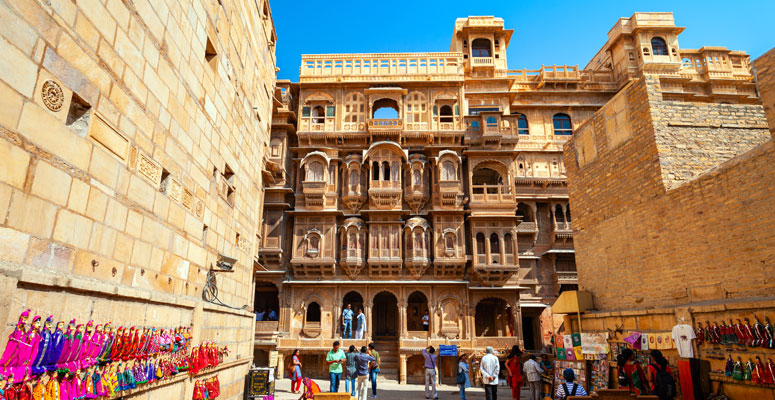
(High-Value | Best Textile & Craft Museum)
Located inside a restored haveli near Amer Fort, the Anokhi Museum focuses on Rajasthan’s block-printing traditions and textile craftsmanship. Unlike larger state museums, the experience here is intimate and process-driven, with demonstrations, printing tools, carved wooden blocks, and exhibits explaining natural dyes and hand-printing techniques.
Best for: Textile lovers, craft-focused travellers, design students.
Time needed: 1–1.5 hours.
Best timing: Morning or early afternoon, combined with Amer Fort.
Guide value: Medium — demonstrations and contextual explanations significantly improve the experience.
Pairing logic: Combine with Amer Fort and Panna Meena ka Kund.
Practical notes: One of the best museums in Rajasthan for understanding living craft traditions rather than royal collections. Particularly valuable for travellers already interested in Jaipur textiles or block-printing workshops.
Other Notable Museums
These museums are worthwhile primarily for travellers with specific thematic interests or longer Rajasthan itineraries.
City Palace Museum, Jaipur — Within the City Palace complex. Textiles, weapons, paintings, and royal artefacts. Closed weekends.
Sardar Government Museum, Jodhpur — Four sections covering historical, archaeological, arts and crafts, and armoury collections. Established in the year 1909. Closed Fridays and public holidays.
Brahma Kumaris Spiritual University and Museum, Mount Abu — Global headquarters of the Brahma Kumaris organisation. Free entry, free meditation sessions, free introductory courses.
Shilpgram Museum, Udaipur — Craft village and museum showcasing the living craft traditions of western India. Particularly active during the Shilpgram Crafts Mela in December.
Which Museums Suit Which Travellers
First-time Rajasthan visitors: Albert Hall Museum + Mehrangarh Museum
Art and miniature painting enthusiasts: Albert Hall + City Palace Museums
Military-history travellers: Jaisalmer War Museum
Archaeology-focused travellers: Ahar Museum + Government Archaeological Museum Jaipur
Luxury / royal-lifestyle travellers: Umaid Bhawan Palace Museum
Textile and craft travellers: Anokhi Museum + Shilpgram Museum
Comparison Table
| Museum | Best For | Time Needed | Experience Type | Priority |
|---|---|---|---|---|
| Albert Hall Museum | First-time visitors | 2 hrs | State museum + art | Must |
| Mehrangarh Museum | Heritage depth | 2–3 hrs | Fort museum | Must |
| Umaid Bhawan Museum | Royal lifestyle | 1–1.5 hrs | Palace museum | High |
| Ahar Museum | Archaeology | 45 mins | Specialist museum | Medium |
| Jaisalmer War Museum | Military history | 45–60 mins | War museum | High |
| Anokhi Museum | Textiles & crafts | 1–1.5 hrs | Craft museum | High |
| Vintage Car Collection | Royal automobiles | 45 mins | Niche museum | Optional |
How Much Museum Time Is Actually Worth It
Short Rajasthan trips (5–7 days): Choose only 1–2 major museums
First-time visitors: Albert Hall + Mehrangarh Museum offer the strongest overall value
Longer cultural itineraries: Add Ahar, Anokhi, and specialist museums
Not interested in historical context: Limit museums to fort-integrated collections only
Route Logic
Jaipur museum circuit: Albert Hall Museum → Government Archaeological Museum — both in Ram Niwas Garden, covered on the same visit.
Jodhpur museum circuit: Mehrangarh Fort Museum morning → Umaid Bhawan Palace Museum afternoon.
Udaipur museum circuit: Ahar Museum → Vintage Car Collection → combine with Udaipur lakes on the same afternoon.
Jaisalmer: War Museum on the road to Sam Sand Dunes — combine with a desert excursion on the same day.
Planning Notes
Albert Hall Museum’s evening session (7–9:30 PM) is one of the most atmospheric museum experiences in Rajasthan — don’t skip it if you’re in Jaipur. The Ahar Museum in Udaipur is small but archaeologically significant — allow 45 minutes and don’t skip it. Jaisalmer War Museum is closed on Tuesdays. Umaid Bhawan Palace Museum is closed on Sundays and public holidays. October to March is the strongest overall window.
Rajasthan revised ticket pricing across several state-run museums and monuments in 2026. Confirm updated entry fees locally before visiting, especially for the Albert Hall Museum and the Jaipur museum circuits.
Explore Rajasthan’s Heritage Circuits
These routes help combine museums with forts, palaces, old-city walks, and regional heritage circuits.
Rajasthan’s museums deliver their strongest value when chosen selectively based on interest and context rather than treated as checklist sightseeing stops.