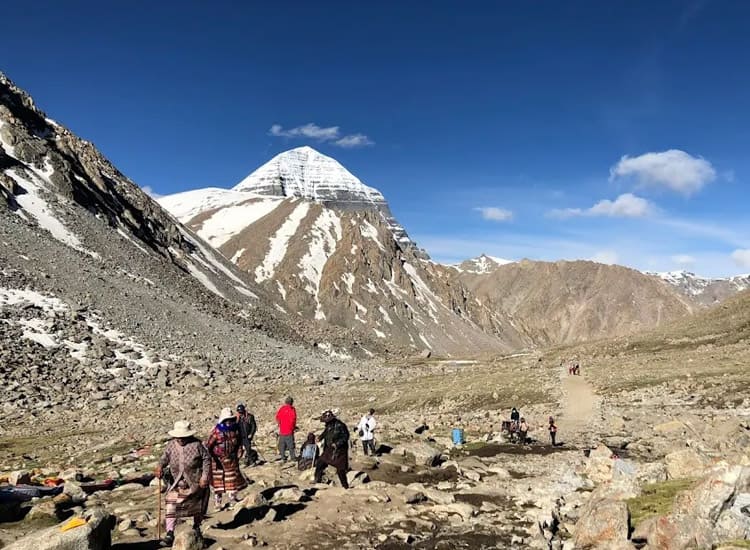
The Kailash Mansarovar Yatra is very popular among Hindu devotees, with thousands intending to undertake the pilgrimage each year. Last year, I also had the opportunity to participate in the Mansarovar Yatra. If you are planning to go on this pilgrimage, you are in the right place.
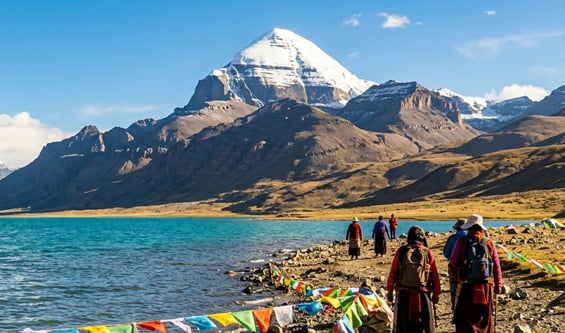
As someone who completed this extraordinary journey, I can attest that it demands physical endurance, mental fortitude, and spiritual readiness. But what you receive in return is immeasurable—a connection with something greater than yourself that stays with you long after you return home.
Physical Preparation: Building Your Stamina
The Kailash Mansarovar Yatra tests your physical limits with high altitudes, difficult terrain, and changing weather conditions. My preparation began six months before departure:- Cardiovascular training: Daily walks progressing to 10km, stair climbing, and hiking with a loaded backpack
- Strength exercises: Focus on leg and core muscles that would support the extensive trekking
- Altitude preparation: Training at increasing elevations when possible or using specialized facilities
- Breathing exercises: Pranayama techniques to improve oxygen efficiency
Mental and Spiritual Preparation
Physical training alone isn’t enough. Mental and spiritual preparation played an equally important role in my journey:- Meditation practice: Daily sessions to build mental resilience and focus
- Spiritual reading: Studying sacred texts and accounts of others who completed the yatra
- Mental conditioning: Visualizing challenging portions of the journey and preparing coping strategies
- Fasting practice: Periodic fasting to prepare for potential food limitations
Logistical Preparation and Documentation
It is an important aspect of any trip, so it is essential to do it properly. Missing anything can ruin the overall trip experience.- Visa requirements: Special permits for Tibet and China
- Tour operator selection: Researching reviews and credentials (government-approved operators are mandatory)
- Travel insurance: High-altitude coverage with emergency evacuation
- Medical checkup: Comprehensive health assessment and clearance from a physician
- Packing essentials: Cold-weather gear, medications, appropriate clothing layers, and religious items
The Journey Begins: Routes to Kailash Mansarovar
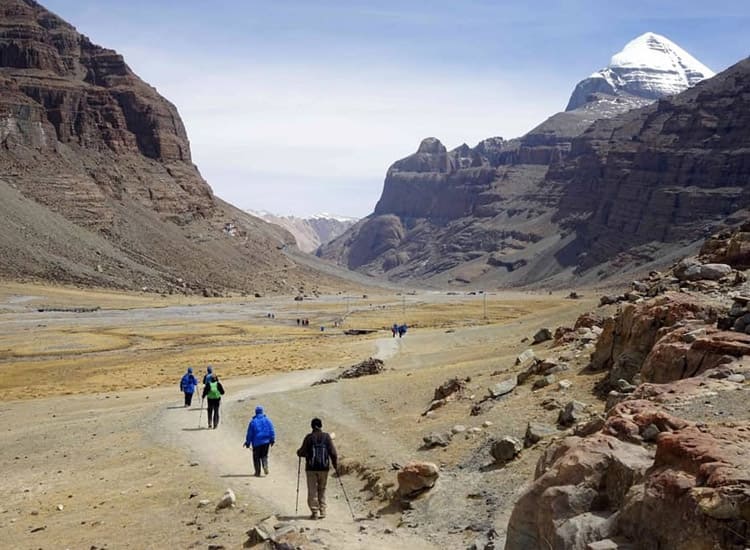
Primary Routes to Consider
There are multiple routes to reach Kailash Mansarovar, each offering unique experiences:- Via Nepal: Kathmandu-Nepalgunj-Simikot-Hilsa-Taklakot route (helicopter and trekking)
- Via China: Entering through mainland China (longest but most comfortable)
- Via Uttarakhand: The Lipulekh Pass route from India (traditional and popular)
- Via Sikkim: The Nathu La Pass route (newer and relatively easier)
My Itinerary: Day-by-Day Journey
My 24-day journey followed this general timeline:- Days 1-3: Delhi to Kathgodam by train, then to Almora by road
- Days 4-7: Acclimatization while visiting temples in Jageshwar and Kausani
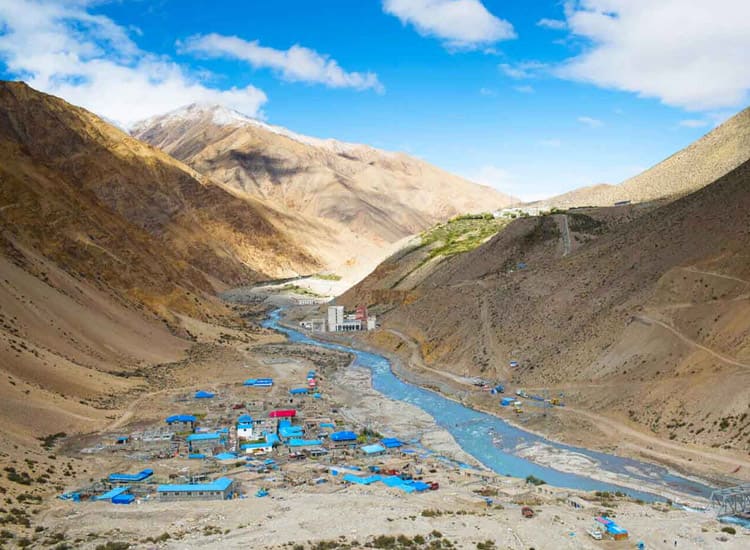
- Days 8-11: Progression to higher altitudes via Dharchula, Tawaghat, and Gunji
- Days 12-14: Crossing Lipulekh Pass and entering Tibet
- Days 15-17: Arrival at Lake Mansarovar, holy dip, and preparations for Kailash Parikrama
- Days 18-20: Mount Kailash Parikrama (the most challenging and spiritual part)
- Days 21-24: Return journey
The Divine Encounter: Lake Mansarovar Experience
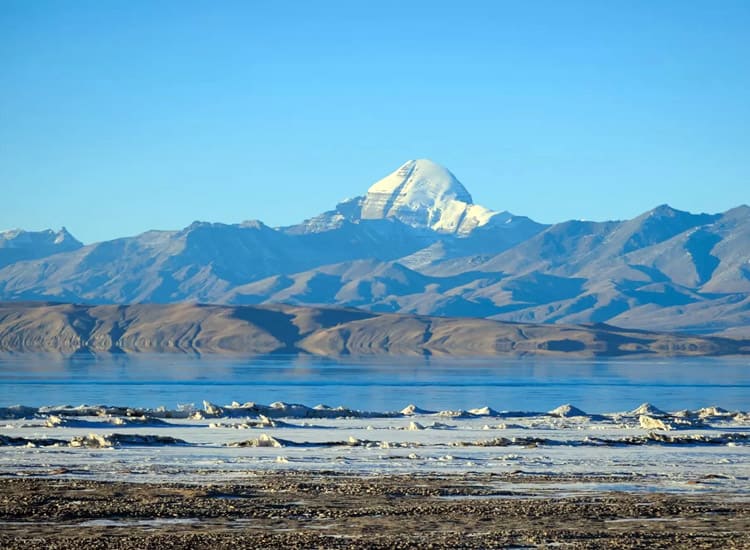
First Glimpse of Mansarovar
Nothing can prepare you for your first sight of Lake Mansarovar. Situated at an altitude of 4,590 meters, this freshwater lake is a true natural wonder at such elevations. The crystal-clear waters change colors throughout the day, shifting from deep blue to emerald green and reflecting the surrounding snow-capped mountains. Many pilgrims, including myself, felt an immediate emotional response—some cried, while others fell silent in reverence.Spiritual Significance of Lake Mansarovar
According to Hindu tradition, Lake Mansarovar was created by Lord Brahma. The lake is believed to cleanse all sins and prepare pilgrims for Mount Kailash. Taking a holy dip in these icy waters requires courage, but the spiritual renewal is worth every second of physical discomfort. Buddhists revere this lake as “Anotatta” (unheated), where Maya is said to have conceived Buddha. For Jains, this is where their first Tirthankara achieved liberation.My Personal Experience at the Lake
The predawn ritual bath in Mansarovar remains etched in my memory. Breaking through a thin layer of ice at 4:30 AM, with prayers on my lips, I immersed myself in the freezing waters. The physical shock quickly gave way to a profound sense of clarity and peace. Later that day, collecting the sacred water and performing puja on the shores with fellow pilgrims created a sense of community and shared purpose that transcended our diverse backgrounds. Book our 13 Nights 14 Days Kailash Mansarovar Yatra by Road PackageThe Ultimate Challenge: Mount Kailash Parikrama
The Three-Day Circumambulation
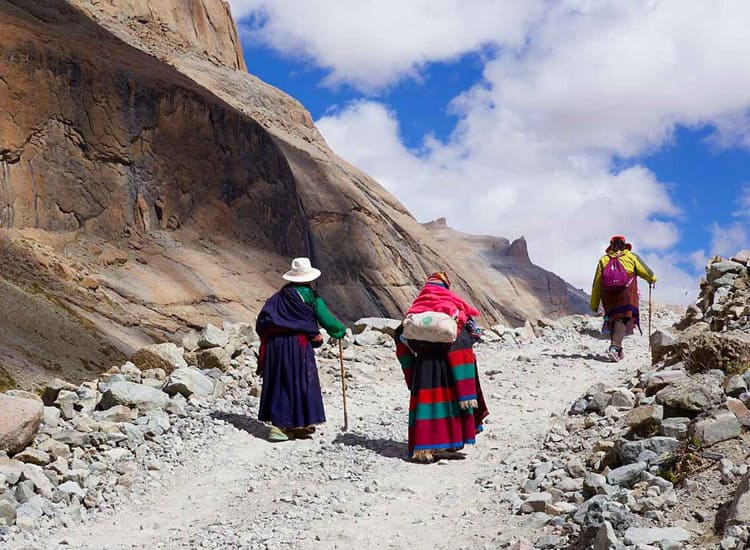
The 52-kilometer circumambulation (parikrama) around Mount Kailash usually takes about three days to complete. Day 1: Darchen to Dirapuk (22km)- Beginning at Darchen (4,575m)
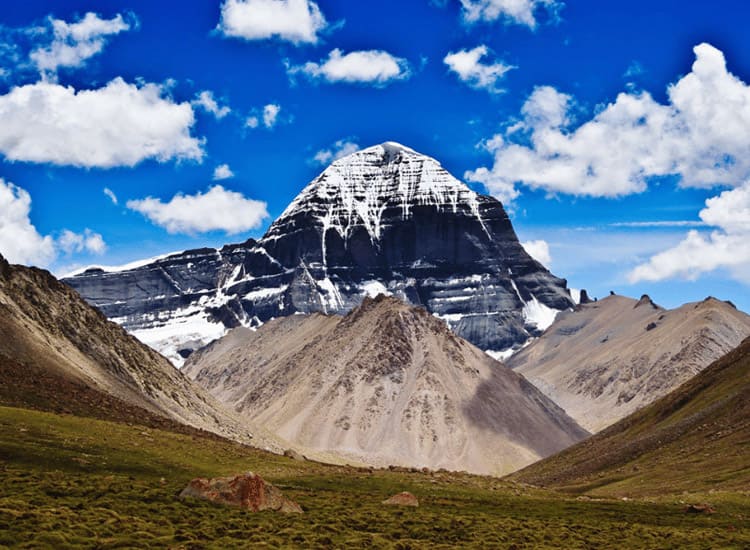
- First glimpse of Kailash’s north face
- Overnight at Dirapuk (5,120m)
- Crossing Dolma La Pass (5,630m), the highest and most challenging point
- Testing physical endurance and willpower
- Gauri Kund, the Lake of Compassion
- Descent to Zutulpuk (4,790m)
- Relatively easier terrain
- Completion of the holy circuit
- Return to Darchen
Spiritual Significance of the Parikrama
Hindus believe completing one parikrama cleanses sins of a lifetime, while 108 parikramas lead to salvation. Buddhists call this circuit “Kora” and consider it a path to enlightenment. The entire route is dotted with sacred sites—Yamdwar (the gateway to death), Shiva-sthal, Gauri Kund, and numerous meditation caves where saints and sages have meditated for centuries.Crossing Dolma La Pass: The Defining Moment
The ascent to Dolma La Pass tested every limit. At 5,630 meters, oxygen is scarce, each step demands extraordinary effort, and the weather can change in minutes. What carries you forward isn’t just physical strength but faith. Many pilgrims chant continuously, some need help from porters or yaks, but nearly all experience a profound sense of accomplishment upon reaching the prayer-flag-adorned pass. The tradition of leaving behind an article of clothing or personal item symbolizes shedding your old self before descending. I left a scarf, symbolically releasing past burdens. Also Read: Kailash Mansarovar Yatra Routes: A Comprehensive Guide for PilgrimsInner Transformation During Mansarovar Yatra
Moments of Divine Connection
Throughout the journey, unexpected moments of spiritual connection occurred:- The perfect stillness at dawn on Lake Mansarovar
- A sudden clearing of clouds reveals Mount Kailash during parikrama
- The kindness of fellow pilgrims during moments of difficulty
- The overwhelming emotion at Dolma La Pass
Changes in Perspective
The yatra fundamentally shifted my perspective in several ways:- Materialism: What once seemed important—career achievements, possessions—was placed in proper perspective
- Impermanence: A deeper understanding of life’s transient nature
- Human connection: The artificial barriers of language, nationality, and status dissolve when pilgrims help each other
- Inner strength: Discovering reserves of resilience I never knew existed
- Gratitude: For health, opportunity, and the privilege of undertaking this journey
Bringing the Spiritual Lessons Home
The real challenge began after returning home, integrating these profound experiences into daily life:- Maintaining a daily spiritual practice
- Simplifying my lifestyle
- Approaching challenges with a newfound perspective
- Sharing the wisdom gained with others without imposing it
- Living with greater awareness and gratitude
Practical Aspects: What Future Pilgrims Should Know
Best Time to Undertake the Yatra
The yatra is possible only during a brief window from May to September, with June to August being optimal. Even then, weather conditions can be unpredictable. I traveled in early July, which offered relatively stable weather but larger crowds.Health Considerations and Challenges
Be prepared for:- Altitude sickness: Symptoms include headaches, nausea, dizziness, and fatigue
- Temperature extremes: From below freezing at night to intense sun during the day
- Basic accommodations: Guest houses and tents with minimal facilities
- Limited communication: Sporadic or no mobile connectivity
- Dietary adjustments: Simple vegetarian food with limited options
Essential Packing List
Based on my experience, these items are non-negotiable:- Clothing: Thermal underwear, fleece layers, down jacket, waterproof outer layer, good hiking boots, warm hat, gloves
- Medical supplies: Altitude sickness medication, pain relievers, band-aids, antibiotics, rehydration salts
- Accessories: Sunglasses, sunscreen, lip balm, headlamp, trekking poles, sleeping bag
- Documentation: Multiple photocopies of permits, passport, and insurance.
- Religious items: As per personal faith and practice
Selecting the Right Tour Operator
This decision significantly impacts your experience. Consider:- Indian holiday travel company for your Yatra.
- Group size and guide-to-pilgrim ratio
- Reviews from past pilgrims
- Inclusions and exclusions in the package
- Contingency plans for emergencies
First-Hand Experiences: Kailash Mansarovar Testimonials of Fellow Pilgrims
 The yatra affects each person uniquely. I have gathered the following Kailash Mansarovar yatra reviews from fellow pilgrims in my group:
Rajesh Sharma, 58, Businessman from Mumbai
My Kailash Mansarovar yatra transformed me completely. At Dolma La Pass, gasping for breath at 5,630 meters, I experienced a spiritual awakening unlike anything before. The three-day parikrama tested my physical limits, but the first glimpse of Mount Kailash’s north face rendered me speechless—its golden hue at sunrise seemed to radiate divine energy. The holy dip in icy Mansarovar waters washed away years of stress. This wasn’t merely a pilgrimage but a journey within. Six months later, the profound peace I discovered still guides my daily life.Anand Krishnan, 35, Software Engineer from Bangalore
I undertook the Kailash Mansarovar yatra searching for answers during a career crisis. The journey via Nepal and helicopter to Hilsa offered spectacular aerial views but didn’t prepare me for what followed. The physical demands of the trek stripped away my mental defenses. At Lake Mansarovar, watching the perfect reflection of Mount Kailash on crystal waters, clarity emerged. I realized I’d been chasing external validation rather than purpose. For young professionals interested in traveling the Kailash Mansarovar Yatra: prepare physically, but prepare for unexpected emotional revelations that might completely change your life path.Sunita Devi, 62, Retired Teacher from Varanasi
After forty years of dreaming about this pilgrimage, my Kailash Mansarovar yatra exceeded every expectation. Despite my age and arthritis, determination carried me through. The communities formed along the way were extraordinary—strangers becoming family, sharing medicines, food, and encouragement. When I struggled during the steepest ascent, two young men I’d never met before supported me for four hours. The sacred landscape is magnificent, but my Kailash Mansarovar journey stories center on the profound human connections. This pilgrimage restored my faith not just in the divine, but in humanity’s capacity for compassion.Vikram Singh, 45, Army Veteran from Dehradun
As someone who’s navigated challenging terrains professionally, I underestimated the Kailash Mansarovar yatra’s spiritual impact. The military trained me for physical hardship but not for the emotional vulnerability that emerged at Gauri Kund. Something about that sacred site triggered memories of fallen comrades, releasing grief I’d suppressed for years. The circumambulation became a walking meditation—each step a healing prayer. This journey offers unique therapeutic potential. The mountain doesn’t care about your strength; it reveals your heart. I returned with wounds healed that no medicine could touch. The Kailash Mansarovar journey stories above will surely inspire you to plan your trip to Mount KailashConclusion
The physical journey to Kailash Mansarovar may end, but the spiritual journey it initiates continues for a lifetime. It’s been one year since my Mansarovar yatra, and I still find myself processing new insights and experiencing shifts in perspective that trace back to those transformative days in Tibet. Kailash Mansarovar Yatra isn’t just a pilgrimage—it’s a profound spiritual awakening that transforms your perspective on life. Have you completed the Kailash Mansarovar Yatra, or are you planning to? Share your experiences or questions in the comments below. I’m happy to share more detailed insights for those seeking guidance on preparation or specific aspects of the journey.Checkout Kailash Mansarovar Yatra Packages