Tourist Attractions in Kohima
Explore Kohima’s important historical sites, cultural villages, viewpoints, and nearby nature experiences.

Kohima brings together Nagaland’s history, Angami culture, hill landscapes, and village experiences. Use this guide to plan the right season, understand how to reach the city, choose the places worth visiting, and find tours that include Kohima.
Kohima Travel Essentials
Explore Kohima’s important historical sites, cultural villages, viewpoints, and nearby nature experiences.
Compare Kohima’s winter, summer, and monsoon seasons before choosing your travel dates.
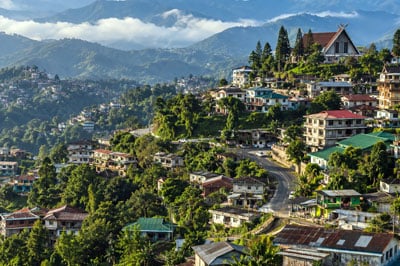
Kohima does not have an airport or railway station. Most travelers arrive through Dimapur and continue to Kohima by road.
Planning more than Kohima? Use the Nagaland guide to compare other destinations and build a wider route.
What to Explore Around Kohima
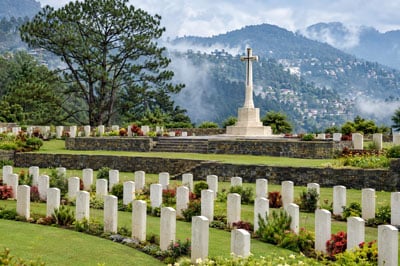
One of Kohima’s most important historical sites, the cemetery commemorates soldiers who died during the Battle of Kohima in 1944.
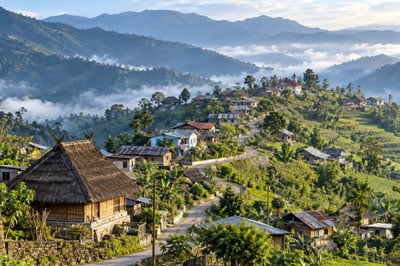
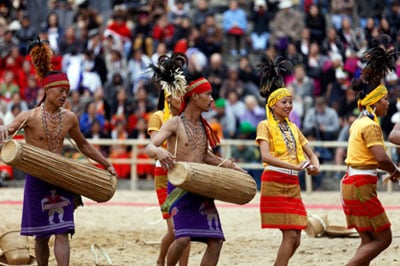
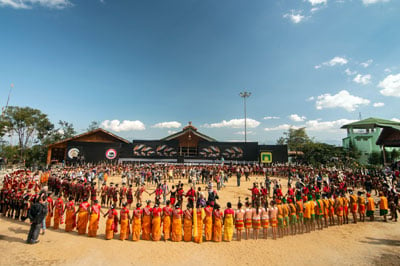
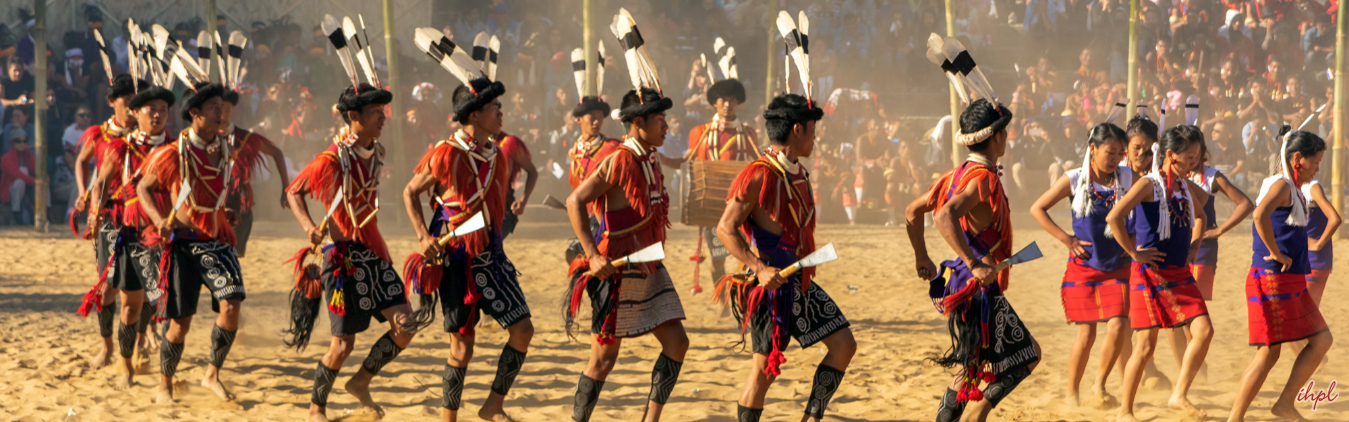
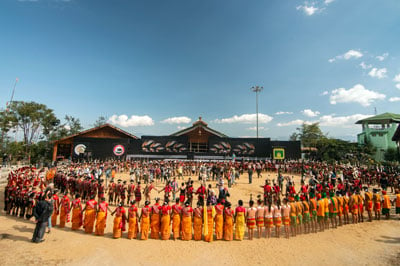
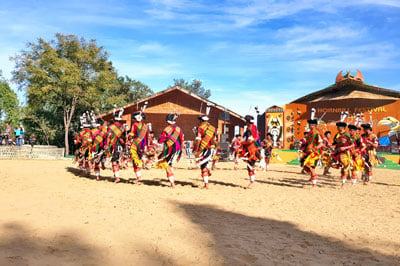
Kisama is best known as the venue of the Hornbill Festival and is an important stop for travelers interested in Nagaland’s tribal traditions and cultural performances.
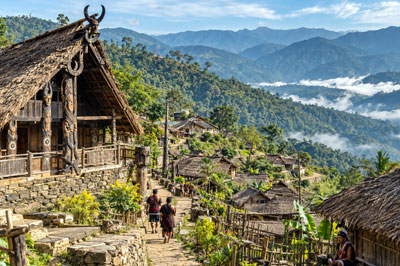
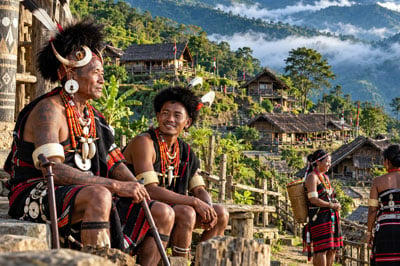
Visit Khonoma for Angami heritage, traditional village life, terraced landscapes, and a quieter experience outside the city.
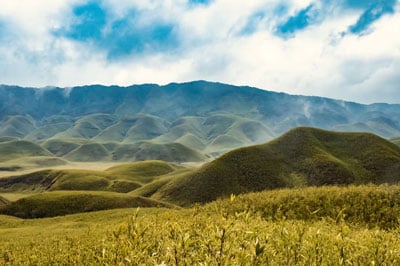
Add Dzukou Valley if trekking and mountain scenery are priorities. Allow extra time rather than trying to fit the experience into a packed city sightseeing day.
October to May is generally the more comfortable touring period. Trekking, festival travel and monsoon road conditions can change which month works best for your priority attractions.
Dimapur is the main transport gateway. Kohima is the practical first sightseeing base, while Mokokchung and Mon need more road time and should be added deliberately.
Your trip, your pace
Tell us whether you want to focus on Kohima’s history, the Hornbill Festival, Khonoma, village experiences, or a wider Nagaland journey. We can shape the route around your dates and preferred pace.
Kohima Tour Packages
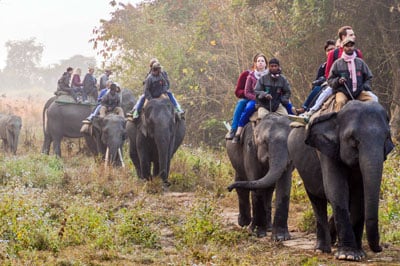
Guwahati – Kaziranga – Kohima – Touphema – Dimori Cove – Khonoma – Dimapur
Dimapur – Kohima – Khonoma – Mokokchung – Tuensang – Mon – Jorhat – Kaziranga – Guwahati
Why IndianHoliday
A Kohima trip often involves road transfers, village visits, festival dates, and excursions outside the city. We plan these elements around realistic travel time and your preferred pace.
Indian Holiday has planned journeys since 1990, giving our team the experience to build routes around real travel times—not just points on a map.
Tell us your dates, interests and preferred pace. Our travel experts shape the itinerary around them instead of forcing you into a fixed template.
Indian Holiday is recognized by the Ministry of Tourism, Government of India.
Indian Holiday has received the National Tourism Award twice, adding an independent trust signal to its long operating history.
About Kohima
Plan about 2–3 days for Kohima and nearby cultural attractions. Allow 4–5 days if you also want to include trekking or more village experiences.
Key experiences include the Kohima War Cemetery, Nagaland State Museum, Kisama Heritage Village, Khonoma, Dzukou Valley, and Japfu Peak.
October to February is particularly good for cooler weather and sightseeing. December is popular for the Hornbill Festival, while March to May is also suitable for outdoor travel.
Most travelers reach Dimapur by air or train and continue to Kohima by road. Dimapur is about 74 km from Kohima.
Yes. Kohima combines history, cultural attractions, nearby villages, and access to outdoor experiences such as Dzukou Valley, making it a practical base for first-time visitors.
The Hornbill Festival is held at Kisama Heritage Village near Kohima and is one of the main reasons travelers visit the area in December.
Combine Kohima with the places that fit your interests, whether that means Khonoma, cultural villages, the Hornbill Festival, or a longer journey through Nagaland.