wp-img-auto-sizes-contain => 
wp-block-library => 
classic-theme-styles => 
wp-block-styles-placeholder => 
wp-global-styles-placeholder => 
custom-search-style => https://www.indianholiday.com/wordpress/wp-content/plugins/custom-search/css/custom-search.css
woocommerce-inline => 
wp-shop-woocommerce-google-fonts => https://www.indianholiday.com/wordpress/wp-content/fonts/d38d9cb4cd64d82306a9aea29228f1bb.css
wp-shop-woocommerce-style => https://www.indianholiday.com/wordpress/wp-content/themes/wp-shop-woocommerce-child/style.css
Chardham
South East Asia
Uttarakhand
Jammu & Kashmir
Leh Ladakh
Bhutan
Nepal
Sikkim
Meghalaya

Kerala Tourist Places: Smart Sightseeing for Hills, Backwaters, Beaches and Eco-Zones

Plan Your Dream Vacation
loader

Please wait...

For travellers with limited time in Kerala, the experience becomes far more fulfilling when the journey is viewed as a thoughtful mix of hill stations, backwaters, beaches, and eco-zones rather than an attempt to tick off every attraction in one go. The most rewarding approach is usually to combine one major hill station (Munnar or Wayanad) with one backwater experience (Alleppey or Kumarakom) and one beach or eco-stop (Varkala or Periyar). This curated mix delivers depth and variety without turning the trip into a rushed checklist of waterfalls, temples, or plantations.

Kerala’s landscapes range from tea-covered hills and misty forests to backwater canals, coastal cliffs, and wildlife reserves, offering a wide variety of experiences within relatively short travel distances.

This consolidated guide groups Kerala’s major attractions by theme and travel logic, identifies the ideal audience for each, outlines the time required, provides pairing suggestions for half-day circuits, and offers skip rules for travellers with tight schedules. All details are merged to create a realistic, practical planning framework for navigating Kerala efficiently.

This guide helps you prioritise Kerala’s key destinations based on real travel value – how much time each needs, who they suit, and how to combine them efficiently.

To plan your trip more effectively across regions, explore the Kerala Travel Guide to structure a well-paced itinerary.

Quick Planning Snapshot for Kerala Days

  • Ideal trip length 6–7 days for one hill station, one backwater stay, and one beach
  • Short trip (4 days) Focus on hill station + backwaters only
  • Long trip (10 days) Add wildlife, culture, and coastal extensions
  • Daily pacing rule One major experience per day; avoid covering multiple regions in a single day

Thekkady Attractions and Experiences (Periyar Lake, Spice Plantations and Forest Activities)

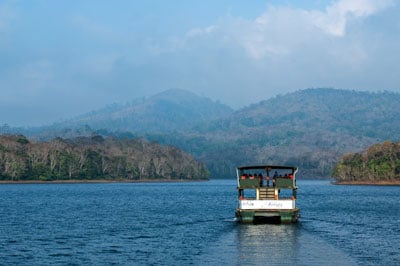
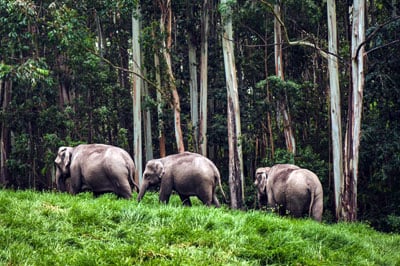
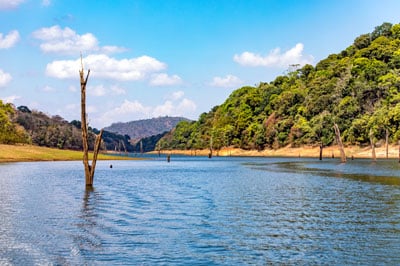
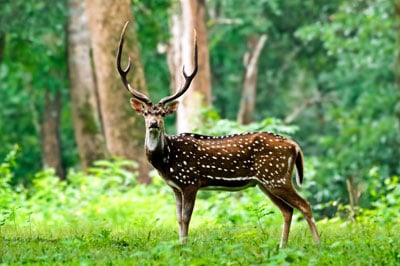
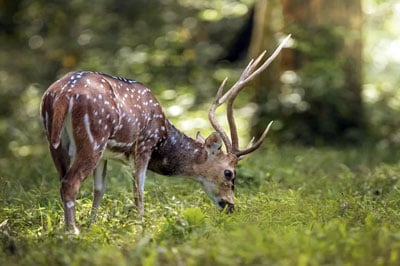
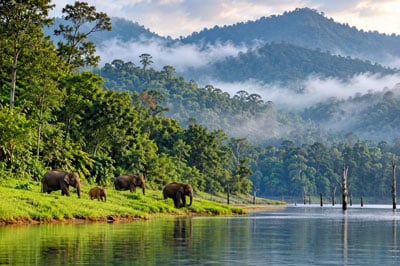
Thekkady is one of Kerala’s most complete nature destinations, combining wildlife, plantation experiences, cultural shows, and soft adventure activities in a single region. The biggest attraction is the Periyar Tiger Reserve, where visitors can enjoy boat safaris on Periyar Lake, guided jungle treks, bamboo rafting, and nature walks through dense forest areas known for elephants, gaurs, deer, and rich birdlife.

The region is also famous for its spice plantations producing cardamom, pepper, cinnamon, and cloves, with guided plantation tours available throughout the day. Other popular experiences include Kathakali dance performances, Kalaripayattu martial arts shows, jeep safaris, and local market visits for spices and handmade products.

Thekkady works especially well for travellers looking for a balance of wildlife, relaxation, and cultural experiences without constant hotel changes. Most visitors spend 2 days here, ideally between October and March when forest conditions remain comfortable and outdoor activities operate smoothly.

Hill Station Layer

Kerala’s three major hill retreats form the backbone of the high ranges, each offering a unique atmosphere and highlights.

1. Munnar Tea Hills (1,500 Metres, Rolling Plantations and Eravikulam National Park)

Why it matters: Munnar is Kerala’s most iconic hill station, known for its expansive tea plantations and cool climate.

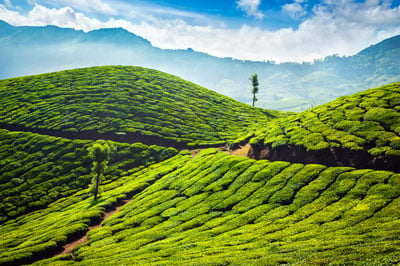
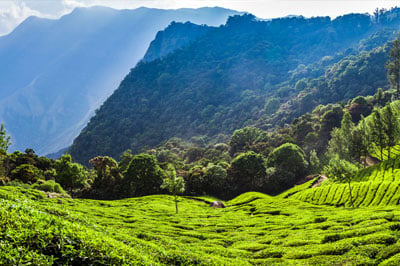
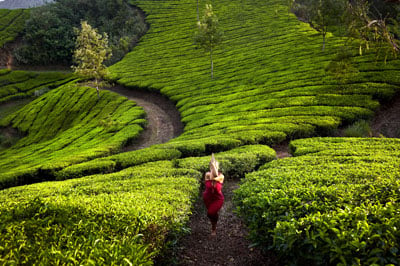
Munnar stands as Kerala’s most iconic hill station, set at 1,500 metres with over 10,000 hectares of undulating tea plantations. Key attractions include the Tata Tea Museum, Eravikulam National Park—home to the endangered Nilgiri tahr—Anamudi Peak (2,695 metres, the highest peak in South India), Mattupetty Dam, Kundala Lake, and the breathtaking Top Station viewpoint. The climate remains cool and pleasant at 15–25°C.

Who it suits: First-time visitors, families, tea enthusiasts, nature lovers, and photographers.

Time needed: Three full days.

Best timing: Mist views between 7–9 am; sunset between 4–6 pm at Top Station.

Guide value: Moderate—useful for understanding tea processing and wildlife.

Pairing logic: Best sequence: Munnar → Alleppey → Varkala

2. Wayanad Forests, Caves and Waterfalls (700 Metres, Misty Hills and Edakkal Caves)

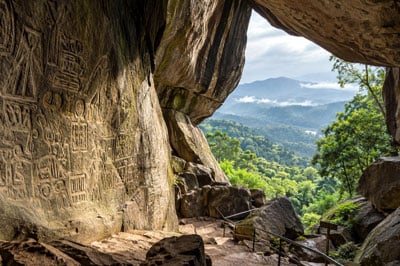
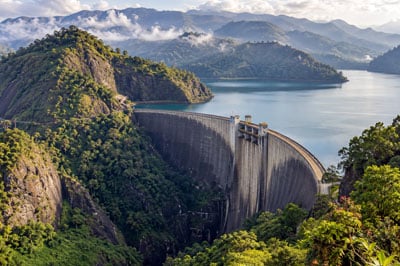
Why anchors: Wayanad is Kerala’s second major hill destination, known for lush forests, waterfalls, and the famed Edakkal Caves—with 6,000-year-old Neolithic carvings. Other highlights include Banasura Sagar Dam (India’s largest earth dam), Pookode Lake, Soochipara Falls, Meenmutty Falls, and Wayanad Wildlife Sanctuary, home to elephants, gaurs, and occasionally tigers. Adventure activities include trekking, zip-lining and rock climbing.

Who suits: Trekkers, adventure seekers, families with teenagers, and history enthusiasts.

Time needed: Three full days.

Best timing: Caves: 8–10 am; waterfalls: 7–9 am. Caves are closed during the monsoon.

Guide value: High—especially for interpreting cave carvings.

Pairing logic: Best sequence – Wayanad → Periyar → Kochi .

Practical notes: Landslide risk June–September.

3. Silent Valley National Park (Rare Evergreen Forest and Lion-Tailed Macaque)

Why stands: Silent Valley is one of the world’s last undisturbed tropical evergreen forests, home to the endangered lion-tailed macaque, over 2,000 flowering plants, and rich, diverse natural ecosystems.

Who suits: Nature purists, primate enthusiasts, and eco-tourists.

Time needed: One day (entry restricted to 10 am–2 pm).

Best timing: December–March.

Guide value: Essential for spotting primates and understanding the ecosystem.

Fit: Best clubbed with a Palakkad stay.

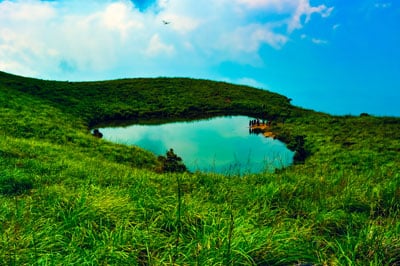
4. Vagamon Meadows and Pine Valleys (1,100 Metres, Rolling Grasslands and Misty Roads)

Why stands: Vagamon offers a quieter alternative to Munnar with open meadows, pine forests, tea gardens, and winding hill roads. Major attractions include Vagamon Meadows, Pine Valley, Kurisumala Ashram, Murugan Hill, and adventure sports such as paragliding.

Who suits: Couples, road-trip travellers, offbeat hill seekers, and photographers.

Time needed: Two days.

Best timing: 6–9 am mist views; October–February best climate.

Guide value: Low to moderate.

Pairing logic: Best sequence: Vagamon → Thekkady → Alleppey.

Practical notes: Roads become slippery during the heavy monsoon. Paragliding seasonal.

5. Ponmudi Hill Retreat (Golden Peak, Trivandrum Highlands and Forest Roads)

Why unique: Located near Trivandrum, Ponmudi combines cool mountain weather with waterfalls, tea slopes, and forest viewpoints accessible within short driving distances.

Who suits: Families, weekend travellers, and travellers short on time.

Time needed: One day or overnight stay.

Best timing: 7–10 am for viewpoints and clear skies.

Guide value: Low.

Fit: Excellent Trivandrum extension alongside Kovalam.

Practical notes: Road access may close temporarily during intense monsoon rains.

6. Vythiri Rainforest Stay (Canopy Resorts and Forest Ambience)

Why anchors: Vythiri serves as Wayanad’s premium rainforest zone, known for elevated resorts, hanging bridges, spice plantations, and immersive forest stays.

Who suits: Luxury travellers, honeymooners, and wellness-focused visitors.

Time needed: 1–2 days.

Best timing: Monsoon and post-monsoon (July–January) for lush scenery.

Guide value: Low—experience is largely resort-driven.

Pairing logic: Best sequence: Vythiri → Wayanad → Kannur coast.

7. Lakkidi Viewpoint and Pass Roads (Gateway to Wayanad’s Mist Corridor)

Why stands: Lakkidi is one of Kerala’s highest viewpoints, famous for dramatic hairpin bends, dense fog, and panoramic valley views.

Who suits: Road-trip travellers, photographers, and monsoon visitors.

Time needed: Half day.

Best timing: 6–9 am for cloud movement and valley visibility.

Guide value: Low.

Pairing logic: Best combined with Vythiri and Pookode Lake.

Practical notes: Heavy fog may reduce visibility during monsoon evenings.

8. Nelliyampathy Hills (Tea Slopes, Orange Farms and Low-Crowd Highlands)

Why unique: A quieter hill station near Palakkad known for tea estates, orange plantations, and scenic mountain roads with minimal tourist density.

Who suits: Slow travellers, couples, and offbeat explorers.

Time needed: One to two days.

Best timing: September–February.

Guide value: Low.

Pairing logic: Best sequence: Nelliyampathy → Silent Valley → Palakkad.

Practical notes: Road permits occasionally required during peak weekends.

Wildlife Expansion Layer: Wayanad Sanctuary and Pakshipathalam

1. Wayanad Wildlife Sanctuary (Elephant Corridors and Bamboo Forests)

Why anchors: Part of the Nilgiri Biosphere Reserve, the sanctuary connects with Bandipur and Mudumalai forests, supporting elephants, gaurs, deer, leopards, and rich birdlife.

Who suits: Wildlife enthusiasts, bird watchers, and forest safari travellers.

Time needed: Half day safari.

Best timing: 6–9 am and 3–5 pm safari windows.

Guide value: Moderate.

Pairing logic: Best sequence: Wayanad → Bandipur → Mysore extension.

Practical notes: Wildlife sightings fluctuate heavily during the monsoon.

2. Pakshipathalam Trek (Deep Forest Cave and Birding Trail)

Why unique: Pakshipathalam is one of Kerala’s most rugged eco-trails, featuring dense forests, caves, and rare bird habitats.

Who suits: Experienced trekkers and hardcore eco-tourists.

Time needed: Full day trek.

Best timing: November–February.

Guide value: Essential due to forest navigation complexity.

Practical notes: Entry restrictions apply. Trek difficulty moderate to high.

Plantation and Spice Belt Layer: Thekkady and Peermade

1. Thekkady Spice Plantations and Cultural Layer (Cardamom Hills and Martial Arts Shows)

Why stands: Beyond Periyar safaris, Thekkady is known for spice plantations, Kathakali performances, Kalaripayattu martial arts shows, and plantation walks.

Who suits: Families, culture-focused travellers, and couples.

Time needed: 1–2 additional days beyond the Periyar safari.

Best timing: Plantation walks: 8–10 am; cultural shows: evening.

Guide value: Moderate—especially for spice tours.

Pairing logic: Best sequence: Thekkady → Vagamon → Alleppey.

Practical notes: Cardamom, pepper, and cinnamon plantations dominate the region.

2. Peermade Highlands (Tea Estates and Colonial-Era Calm)

Why unique: A peaceful plantation region once favoured by colonial administrators, offering tea gardens, waterfalls, and cool-weather retreats.

Who suits: Slow travellers, retirees, and tea lovers.

Time needed: One day.

Best timing: October–February.

Guide value: Low.

Pairing logic: Best combined with Thekkady and Vagamon.

Backwater Layer: Alleppey, Kumarakom and Vembanad Lake

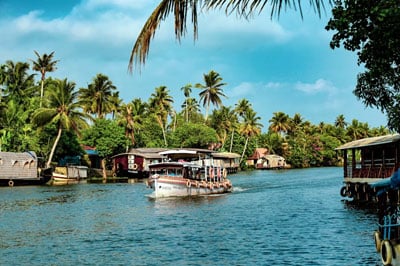
Kerala’s legendary backwaters remain one of its most defining experiences.

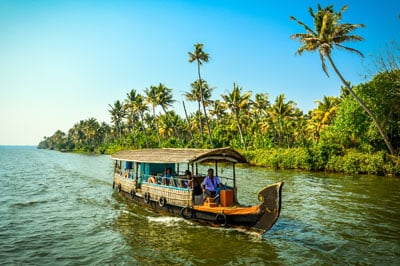
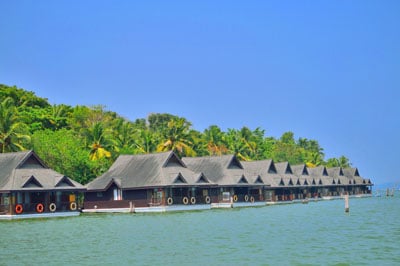
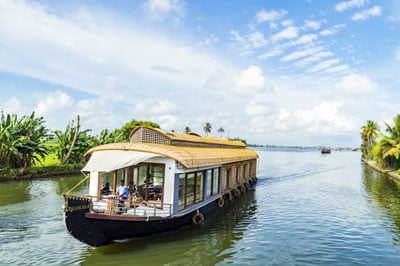
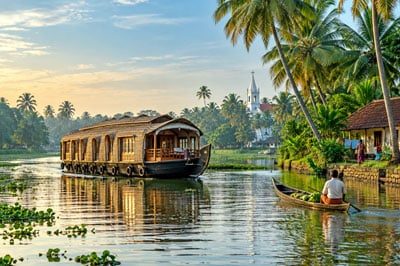
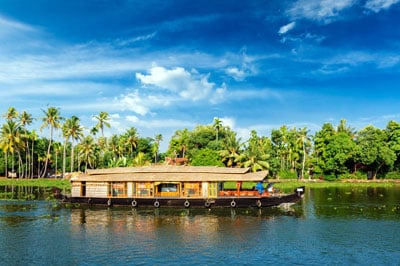
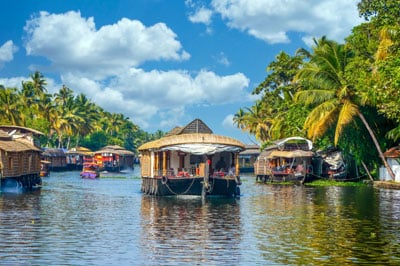
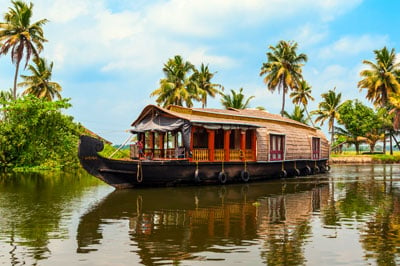
1. Alleppey Houseboats and Canals (Venice of the East, 2-Night Cruise)

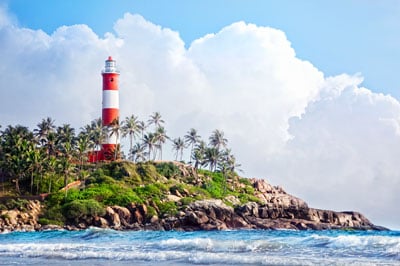
Why unique: Alleppey, often called the Venice of the East, offers over 100 km of canals and around 1,000 traditional kettuvallam houseboats. The city also features Alappuzha Beach, an 1850 lighthouse, and Shrikrishna Temple.

Who suits: Couples, families, and first-time Kerala travellers.

Time needed: Two nights on a houseboat or a six-hour day cruise.

Best timing: Houseboat check-in at 12 pm; day cruise at 10 am.

Guide value: The low—boat crew usually explains the surroundings.

Pairing logic: Best sequence: Alleppey → Munnar

Practical notes: Booking needed in December.

2. Kumarakom Bird Sanctuary and Vembanad Lake (14-Acre Sanctuary, Winter Migrants)

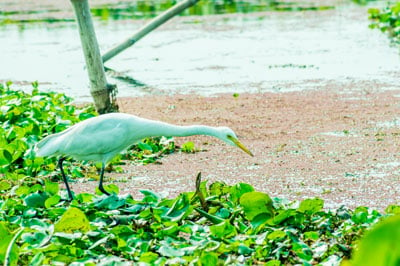
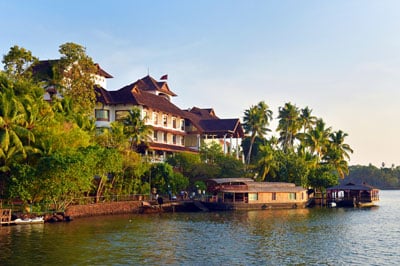
Why anchors: This peaceful 14-acre sanctuary on Vembanad Lake hosts over 150 bird species, including Siberian migrants. Nearby are luxury resorts, lake views, and Pathiramanal Island.

Who suits: Bird watchers, serenity seekers, luxury travellers.

Time needed: One day.

Best timing: 6–8 am bird peak. Open 6 am–6 pm.

Guide value: Moderate.

Pairing logic: Best sequence: Kumarakom → Alleppey.

Beach and Coastal Layer: Varkala, Kovalam and Bekal

Kerala’s coastal belt offers quiet beaches, yoga retreats, and historic forts.

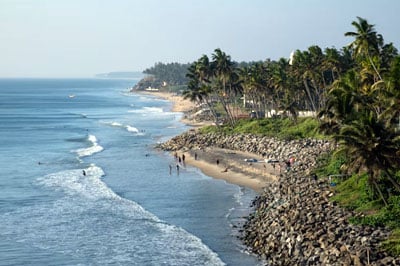
1. Varkala Cliff Beach (Red Cliff, Yoga and Sunset)

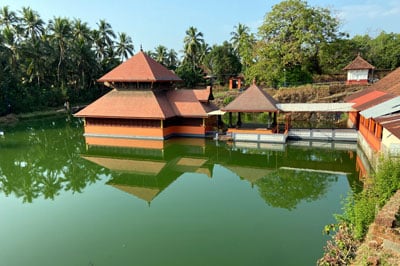
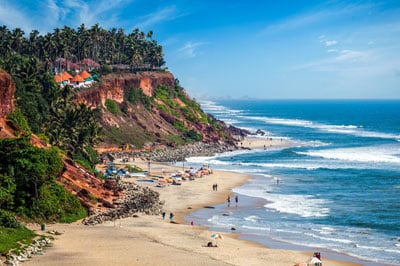
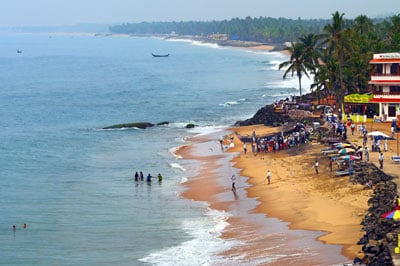
Why stands: Varkala is the only Kerala beach where massive red cliffs stand directly beside the sea. The ambience blends yoga schools, Ayurveda spas, backpacker cafés, and the ancient Janardana Swami Temple.

Who suits: Yoga enthusiasts, solo travellers, budget travellers, sunset lovers.

Time needed: Two days.

Best timing: 5–7 pm sunsets.

Guide value: Low.

Pairing logic: Varkala 2 days → Alleppey 2 days.

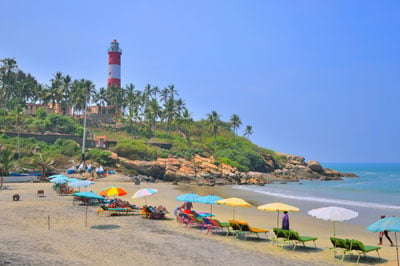
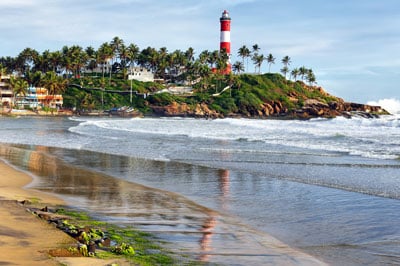
2. Kovalam Lighthouse Beach (3 Beaches, Ayurveda and Tourist Hub)

Why anchors: Close to Trivandrum, Kovalam features three beaches—Lighthouse, Hawa, and Samudra—along with Ayurveda centres, restaurants, and a lively tourist scene. The lighthouse is a key highlight.

Who suits: Families, Ayurveda travellers, shoppers.

Time needed: 1–2 days.

Best timing: Sunrise 6–8 am; sunset 5–7 pm.

Fit: Perfect for a Trivandrum itinerary.

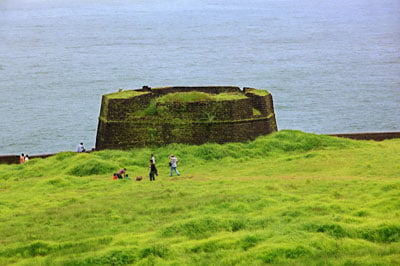
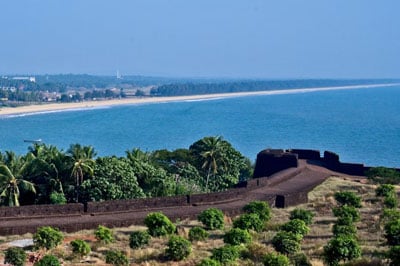
3. Bekal Fort (Kannur, 400-Year-Old Coastal Fort on Sea)

Why unique: Bekal Fort is Kerala’s largest and most scenic fort, directly overlooking the Arabian Sea. Its semicircular structure and vast ramparts make it ideal for photography and historical exploration.

Who suits: History enthusiasts, fort lovers.

Time needed: Two hours.

Best timing: 7–9 am or 4–6 pm. Hours: 7 am–6 pm.

Guide value: Low—information boards available.

Pairing logic: Best sequence: Bekal → Wayanad.

Eco-Tourism and Wildlife Layer: Periyar, Thenmala and Gavi

Kerala’s eco-zones cater to both families and serious wildlife lovers.

1. Periyar Tiger Reserve (Wild Elephants and Boat Safari)

Why anchors: Periyar spans 777 sq km, home to over 2,000 elephants, 350 bird species, and occasional tigers. Activities include a lake boat safari, bamboo rafting, tiger trails, and guided nature walks.

Who suits: Wildlife lovers, photographers, and trekkers.

Time needed: Two days.

Best timing: 8–9 am boat safari; 7 am trek. Best season: October–May.

Guide value: High—especially for treks.

Pairing logic: Best sequence: Periyar → Alleppey.

Practical notes: Bookings recommended.

2. Thenmala Eco-Tourism (India’s First Planned Eco-Tourism Destination)

Why stands: Thenmala offers a scenic lake, a suspension bridge, a butterfly park, and a cultural amphitheatre. It is India’s first officially planned eco-tourism destination.

Who suits: Families, eco-conscious travellers.

Time needed: One day.

Best timing: 9 am–4 pm.

Fit: Trivandrum add-on.

3. Gavi Eco-Tourism (50 km from Thekkady, Pristine Forest)

Why unique: Gavi is a pristine forest region ideal for trekking, birdwatching, and jeep safaris, with strictly controlled visitor numbers.

Who suits: Hardcore eco-tourists and bird lovers.

Time needed: One day.

Best timing: 8–10 am. Season: November–March.

Guide value: Essential.

Practical notes: Max 100 visitors per day. Book a week ahead.

4. Offbeat Nature: Malampuzha Gardens and Dam

Why stands: Known for landscaped gardens, ropeway rides, boating, and the iconic Yakshi sculpture garden.

Who suits: Families and relaxed domestic travellers.

Time needed: Half day.

Best timing: 4–7 pm.

Guide value: Low.

Pairing logic: Best combined with Silent Valley or Palakkad stays.

Kerala Attraction Timing and Circuit Matrix

Region TypePrime WindowTime NeededBest ForSkip RuleHalf-Day Pair
Munnar7–9 AM, 4–6 PM3 daysFirst-timers, teaNo hillAlleppey
Wayanad8–10 AM3 daysTrekkers, cavesNo trekPeriyar
Alleppey12 PM check-in2 nightsHouseboat, couplesMotion sicknessMunnar
Kumarakom6–8 AM1 dayBird watchersNot winterAlleppey
Varkala5–7 PM2 daysYoga, sunsetNo beachAlleppey
Periyar8–9 AM2 daysWildlifeNo trekHouseboat
Thenmala9 AM–4 PM1 dayFamiliesNo ecoTrivandrum

Weather note: September–March is dry, cool and perfect. Monsoon June–August, lush green but slippery. Summer April–May is warm, 25–35°C.

Best Kerala Destinations for Families

  • Munnar Best for tea gardens, easy sightseeing, and cool weather.
  • Alleppey Ideal for relaxed houseboat stays and child-friendly backwater experiences.
  • Thenmala Strong eco-tourism infrastructure with minimal physical strain.
  • Kovalam Safe resort environment and easy airport access.
  • Vagamon Low-crowd hill station suitable for relaxed family pacing.
  • Kumarakom Ideal for grandparents and slow-travel family itineraries.

Family pacing rule: Avoid changing hotels daily. Kerala performs best with 2-night minimum stays per region.

Why October is One of Kerala’s Smartest Travel Months

Climate advantage: October marks the beginning of Kerala’s post-monsoon transition with cooler weather, greener landscapes, and reduced humidity.

Strongest October destinations:

  • Munnar Tea gardens appear exceptionally lush after monsoon rains.
  • Alleppey Backwaters remain vibrant with balanced water levels and clearer skies.
  • Varkala Beach conditions improve significantly after rough monsoon seas.
  • Wayanad Waterfalls remain active while trekking routes gradually reopen.
  • Thekkady Wildlife movement improves as forest conditions stabilise.
  • Vagamon Mist-heavy landscapes create peak visual conditions.

October execution rule: Prioritise scenic and eco-focused regions over intense coastal heat zones.

Sample Travel Structure (Planning Reference)

Most Kerala trips work best when structured as:

  • 2–3 days in a hill station (Munnar or Wayanad)
  • 1–2 days in backwaters (Alleppey or Kumarakom)
  • 1–2 days at a beach (Varkala or Kovalam)

For detailed day-by-day itineraries, refer to Kerala tour packages.

Traveller Attraction Matches

  • First-time Kerala visitors: Munnar + Alleppey + Varkala.
  • Bird watchers: Kumarakom, November–February.
  • Trekkers: Wayanad caves + Periyar tiger trail.
  • Families: Munnar + Alleppey houseboat + Thenmala.
  • Yoga fans: Varkala 2-day retreat.
  • Eco-tourists: Gavi + Thenmala + Silent Valley.
  • Architecture buffs: Bekal Fort + Thrissur temples.
  • Backpackers: Varkala budget + Kochi heritage.

Practical Kerala Attraction Notes

  • Best Timing: 7–9 AM hills cool, 12 PM houseboat check-in, 5–7 PM beach sunset. Afternoons 32°C+, crowds peak at popular spots.
  • Crowds: Weekends 50% more at Munnar and Alleppey. Weekdays are quieter at Kumarakom and Varkala. December–January packed 10× (new year, Christmas).
  • Comfort: Wear light cotton, a sweater for the hills (15°C nights), closed shoes for trails, a hat, water, and insect repellent. Cover shoulders/knees for temples. Carry a power bank, a rain jacket, and a monsoon.
  • What Not to Expect: No tiger guarantees Periyar, no swimming houseboat, no monsoon trekking Wayanad (landslides), no swimming beaches during rough sea (red flag), no AC in most budget hotels, no Sunday openings at some heritage sites.

Plan Your Kerala Journey

If you’re using this guide to structure your trip, these routes help translate destinations into a well-paced travel plan:

These journeys help combine Kerala’s major regions without overloading the itinerary.

Kerala delivers its best experiences when destinations are selected selectively and combined thoughtfully rather than covered as a long checklist.

Talk to a Holiday Planner

Kerala Tour Packages

Best of Kerala

7 Nights / 8 Days

Cochin Munnar Thekkady Alleppey Kovalam Trivandrum.
INR 23,500 Per Person
Kerala Houseboat Tour

4 Nights / 5 Days

Cochin- Alleppey- Cochin.
Price On Request
Kerala Honeymoon Package

7 Nights / 8 Days

Cochin – Munnar Thekkady Alleppey (Houseboat) – Kovalam Trivandrum/Cochin.
INR 31,500 Per Couple
Northern Kerala Splendor Tour

10 Nights / 11 Days

Kozhikode (Calicut) – Wayanad Wildlife Sanctuary – Nileshwar – Coorg – Mysore – Bangalore
Price On Request

Why Book With Us

At Indian Holiday, we offer customized tours curated to suit your tastes. So, why wait? Inspire your next holiday and bring your travel vision to life!

35+

Years of Travel Experience

100+

Travel Experts To Assist You

03+

Million Satisfied Guests

Ministry

of Tourism Accredited

Acclaimed by
Travelers
  • 5/5 Rating:
  • 4/5 Rating: