




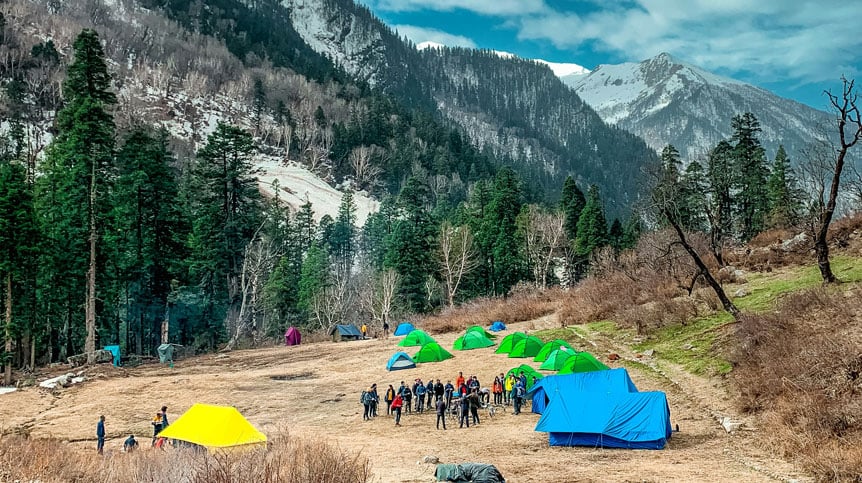

Trekking in Uttarakhand works well because the state offers travellers a wide range of Himalayan experiences without forcing everyone into the same level of difficulty. A first-time trekker can start with a short summit trail, a family with reasonable fitness can choose open meadows, and experienced trekkers can look at higher routes.
This guide is meant for travellers who want to choose sensibly, based on fitness, season, landscape, duration, access to towns, permits, and comfort on mountain routes.
Planning Snapshot
Top Trails by Experience Level
| Trek | Difficulty | Duration | Base Camp | Planning Note |
|---|---|---|---|---|
| Kedarkantha | Easy to moderate | 5–6 days | Sankri | Easy does not mean effortless; snow, cold nights, and icy sections require preparation. |
| Nag Tibba | Easy to moderate | 2 days | Pantwari side | Good when travellers want a summit-style walk without committing to a week-long trek. |
| Valley of Flowers | Moderate | 5–6 days | Govindghat and Ghangaria | Park entry, daily timing, permits, and weather delays must be planned carefully. |
| Kuari Pass | Moderate | 5–6 days | Joshimath / Auli side | Works well for trekkers who want forests, meadows, and strong mountain panoramas. |
| Bali Pass | Difficult | 7–8 days | Sankri / Taluka side, ending toward the Yamunotri region | Not for first-timers; requires fitness, acclimatisation, guide support, and weather awareness. |
| Dayara Bugyal | Easy to moderate | 3–5 days | Raithal / Barsu | Open meadow sections are rewarding, but campsite and bugyal rules must be followed carefully. |
| Brahmatal Trek | Moderate | 5–6 days | Lohajung | Good for travellers who want snow without having to choose a very technical route. |
| Har Ki Dun Trek | Moderate | 6–7 days | Sankri / Taluka | Better for travellers who enjoy valley walking and cultural texture, not only summit goals. |
| Chopta–Tungnath–Chandrashila | Easy to moderate | 2–3 days | Chopta / Sari side | The trail is short, but the final climb to Chandrashila can feel steep, especially in snow. |
| Roopkund | Difficult; condition-dependent | Not standardised due to access restrictions | Lohajung region | Do not treat this as a regular bookable trek. Check forest permissions, camping rules, and route access before planning. |
Trekking Options in Uttarakhand
Best Treks in Uttarakhand for Beginners
1. Nag Tibba
Nag Tibba is one of the most practical first treks in Uttarakhand because it gives travellers a short Himalayan climb without the pressure of a long expedition. The Pantwari-side route is commonly used and works well for a weekend plan from Dehradun, Mussoorie, or Delhi.
Good for: First Himalayan trek, weekend travellers, basic fitness groups
Plan for: Around 2 days, depending on travel timing and operator plan
Watch out: The trek is short, but the climb still needs pacing. Do not treat it like a casual sightseeing walk.
2. Kedarkantha
Kedarkantha is a popular beginner-friendly winter trek, especially for travellers who want snow, campsites, forest trails, and a clear summit objective. Sankri is the common base, and the trek has a stronger support ecosystem than many remote routes.
Good for: First snow trek, summit-style experience, winter photography
Plan for: Usually 5–6 days including road travel
Watch out: Warm layers, waterproof shoes, gloves, and an experienced operator matter in winter.
3. Dayara Bugyal
Dayara Bugyal is an ideal choice for beginners and families with reasonable fitness levels because the trail opens into broad alpine meadows rather than staying enclosed in the forest for most of the walk. Raithal and Barsu are the usual access points.
Good for: Families with fitness, meadow views, first multi-day Himalayan trek
Plan for: 3–5 days depending on route and season
Watch out: Bugyals are fragile alpine meadows. Follow campsite rules and avoid operators who ignore meadow protection norms.
4. Chopta–Tungnath–Chandrashila
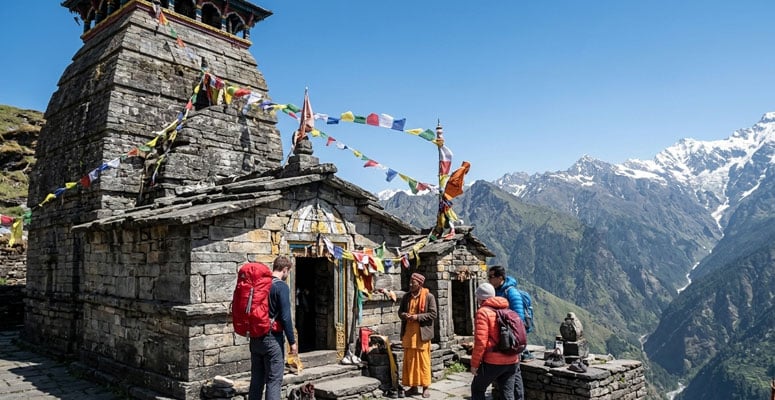
The Chopta–Tungnath–Chandrashila route is short, scenic, and spiritually significant. It works well for travellers who want a compact trek rather than a full camping expedition. The route includes Tungnath Temple and, if conditions allow, the climb to Chandrashila.
The trail distance is not very long, but the final climb to Chandrashila can feel steep. In winter, snow and ice can make the upper section more demanding than expected.
Good for: Short scenic trek, temple route, sunrise views
Plan for: 2–3 days with Chopta or Sari-side planning
Watch out: Do not underestimate the final climb, especially in snow or poor visibility.
Treks for Flora, Forests, and Scenery
1. Valley of Flowers
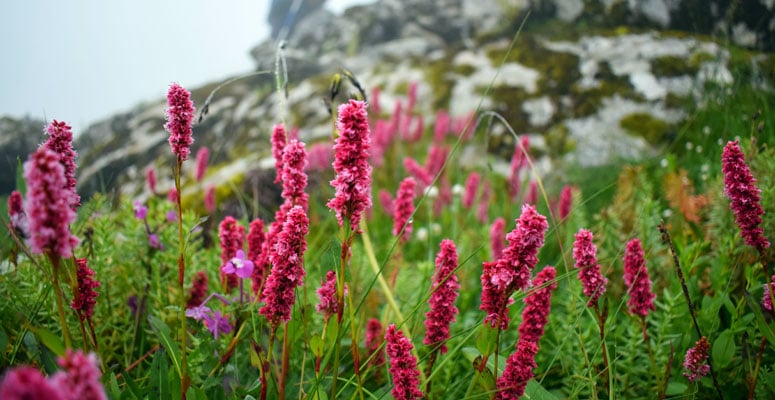
Valley of Flowers is the strongest choice for travellers interested in alpine flowers, monsoon greenery, photography, and nature-led trekking. The usual access is through Govindghat and Ghangaria, with Ghangaria working as the base for the valley walk. July and August are usually the bloom months, while September can offer clearer skies and a different post-monsoon mood.
Good for: Alpine flowers, monsoon scenery, photographers, nature-focused travellers
Plan for: 5–6 days including access and buffer time
Watch out: Park entry timings, daily return rules, permits, and weather delays need to be planned carefully.
2. Har Ki Dun
Har Ki Dun is a scenic valley trek, not a pure summit trek. It is suited to travellers who enjoy forests, old villages, riverside sections, and a slower progression through mountain landscapes. Access is generally from the Sankri and Taluka sides. The experience is less about reaching one dramatic high point and more about moving through a lived-in Himalayan valley.
Good for: Village culture, forest trails, slower scenic trekking
Plan for: 6–7 days
Watch out: The drive to Sankri is long, so keep a buffer day if connecting to flights or trains.
3. Brahmatal
Brahmatal is a good winter trek for travellers who want snow, forests, lake settings, and mountain views without moving into extreme high-altitude terrain. Lohajung is the usual access point. The trail passes through oak and rhododendron forests and opens into viewpoints where peaks such as Trishul and Nanda Ghunti may be visible on clear days.
Good for: Winter forest trails, snow, lake settings, mountain views
Plan for: 5–6 days
Watch out: Cold nights and snow depth can quickly change the difficulty.
Treks for Mountain Views and High Altitude
1. Kuari Pass
Kuari Pass is one of the best choices in Uttarakhand for panoramic views of the Himalayan peaks. The route is commonly accessed from the Joshimath or Auli side and combines forest sections, meadow stretches, and clear mountain panoramas. It suits travellers with some walking experience who want a moderate trek with strong visual rewards.
Good for: Himalayan peak views, moderate trekking, photography
Plan for: 5–6 days
Watch out: Snow can remain on higher sections in spring, so route conditions should be checked before departure.
2. Bali Pass
Bali Pass is a difficult high-altitude route for experienced trekkers. It connects the Har Ki Dun side with the Yamunotri region and involves long walking days, altitude gain, rough terrain, and a weather-sensitive pass crossing. It requires real preparation, guide support, acclimatisation, and the ability to turn back if the weather or trail conditions become unsafe.
Good for: Experienced trekkers, high-altitude pass crossing, demanding routes
Plan for: 7–8 days or more depending on route plan
Watch out: Not suitable for first-timers or travellers without altitude experience.
Cultural and Spiritual Trek Combinations
1. Chopta–Tungnath–Chandrashila
Choose this route if the trip needs both trekking and a temple experience. Tungnath adds spiritual value to the trail, while Chandrashila gives the route its mountain-view finish. It is a good fit for travellers who want a short Garhwal plan without committing to a long trek.
2. Valley of Flowers with Hemkund Sahib
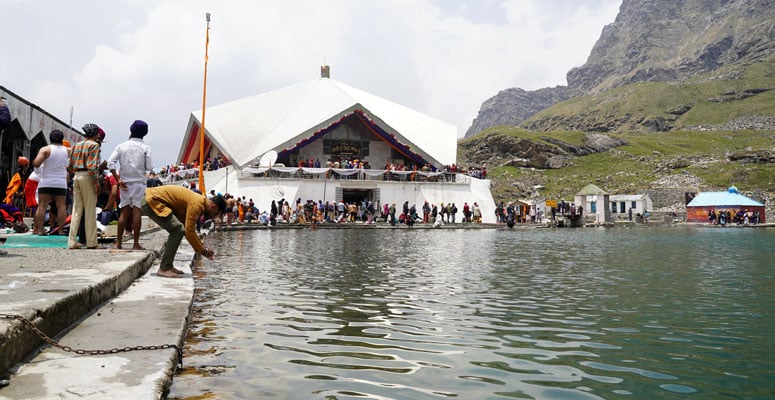
Valley of Flowers can be combined with Hemkund Sahib if fitness and weather allow. This should be treated as an extension, not an automatic add-on. The climb to Hemkund Sahib is steep, and wet weather can make it more demanding.
Best Time to Go Trekking
1. Spring (March to April)
Spring is ideal for forest trails, rhododendron blooms, moderate temperatures, and late-season snow on some routes. However, the weather can feel pleasant at lower elevations but still hold winter-like conditions above the tree line.
2. Summer (May to June)
Summer is a strong trekking window for experienced trekkers in suitable conditions. This is also when many high routes become more accessible after winter snow begins to reduce. However, pre-monsoon weather can still bring sudden rain, cloud build-up, and road delays.
3. Monsoon (July to August)
Monsoon is most strongly associated with the Valley of Flowers. The landscape becomes lush, streams are active, and the valley’s flora is the main reason to visit during this period. However, this is also the season for slippery trails, landslide risk, roadblocks, and unpredictable travel times. Treks during this period need flexible planning, careful operator selection, and realistic expectations about delays.
4. Autumn (September to November)
Autumn is one of the best times for clear mountain views, post-monsoon skies, photography, and more stable trekking conditions. The landscape gradually becomes colder, and nights can feel sharp. Travellers planning late-autumn treks should carry warm layers even if daytime walking feels comfortable.
5. Winter (December to February)
Winter is best for snow treks depending on snowfall and road access. This is the season for travellers who specifically want snowfields, cold camps, and winter mountain views. The caution is comfort and safety. Roads can be affected by snow or ice, trails can become slippery, and nights may be extremely cold.
Planning and Logistics
1. Reaching the Base Camps
Most trekking in Uttarakhand begins with a long mountain drive before the walking starts. This is where many travellers underestimate the plan.
Key base access points include:
- Sankri: Kedarkantha, Har Ki Dun, Bali Pass
- Pantwari: Nag Tibba
- Govindghat and Ghangaria: Valley of Flowers
- Joshimath / Auli: Kuari Pass
- Raithal / Barsu: Dayara Bugyal
- Lohajung: Brahmatal and Roopkund-region alternatives
- Chopta / Sari: Tungnath, Chandrashila, and Deoriatal–Chandrashila combinations
2. Permits and Local Rules
Many Uttarakhand treks require some combination of forest permissions, national park or sanctuary entry permissions, local guide support, operator-arranged permits, or village-level coordination. Requirements vary by route, protected area, and season.
The Valley of Flowers requires park entry permission and is subject to daily entry rules. Har Ki Dun, Kedarkantha, and Bali Pass fall within protected forest or sanctuary zones where permits may be required. Roopkund-region planning requires extra care due to restrictions on bugyals, camping, and route access.
Travellers should carry:
- Government ID
- Passport-size photos if required by the operator or local office
- Medical declaration if requested
- Trek booking confirmation
- Emergency contact details
- Cash for local fees where digital payment may not work
Essential Packing List
1. Footwear
- Broken-in trekking shoes with ankle support
- Woollen socks and spare dry socks
- Gaiters or microspikes only if snow conditions require them
2. Clothing
- Base layer
- Fleece
- Down or padded jacket for cold treks
- Rain jacket or poncho
- Trek pants
- Gloves
- Warm cap
- Sun hat
- Neck warmer
3. Gear
- Backpack with rain cover
- Daypack if using luggage offloading
- Trekking poles
- Headlamp
- Sunglasses
- Water bottles or hydration bladder
- Personal cutlery if required by the operator
4. Health and Safety
- Personal medication
- Basic first-aid kit
- ORS or electrolytes
- Sunscreen and lip balm
- Small towel
- Waste pouch
- ID proofs and permits
Plan your trekking adventure with IndianHoliday!
Uttarakhand offers trekking experiences for every kind of traveller, from gentle meadow walks and beginner-friendly summit trails to demanding high-altitude crossings. The key is not choosing the most famous trek but the one that best matches your interests, fitness level, available time, and travel season. At IndianHoliday, we help travellers navigate these choices and shape journeys around the experience they actually want.


